
Symbols and Gift Meanings
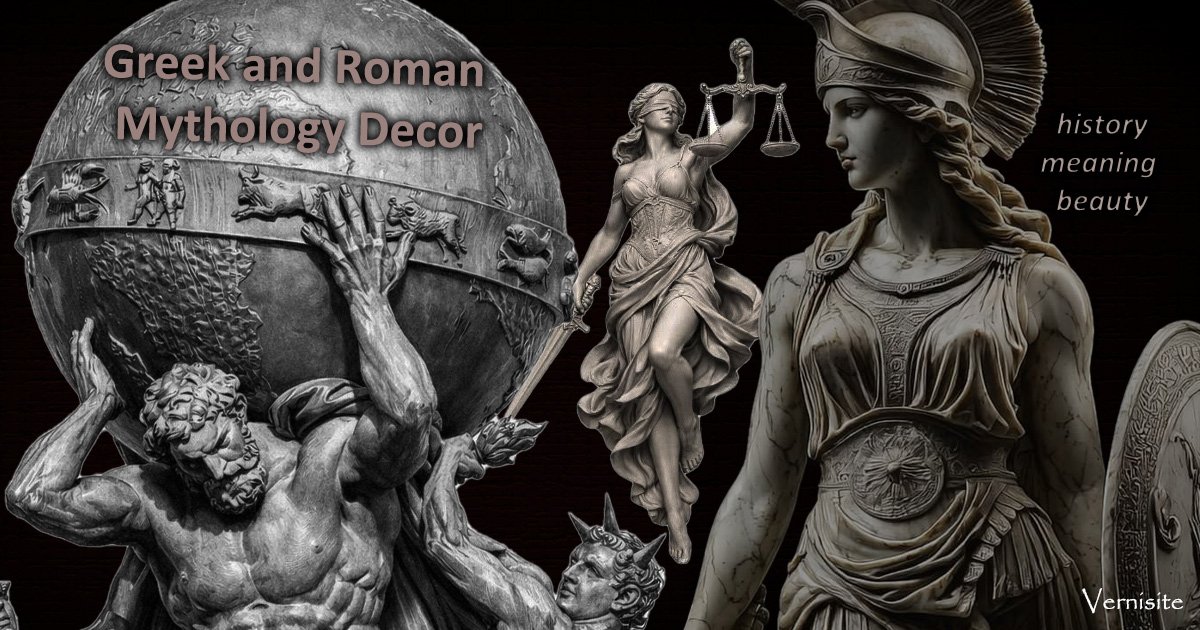
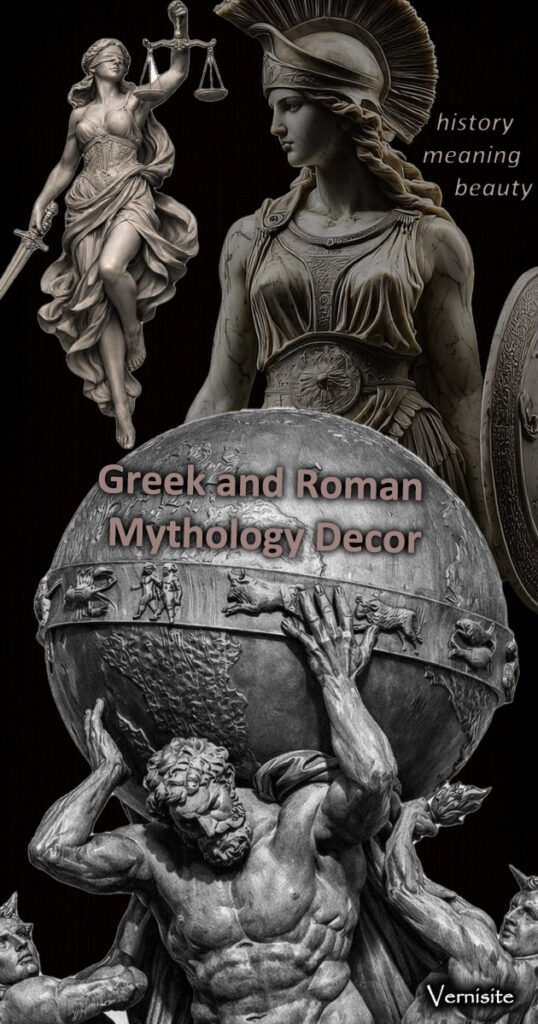
Greek and Roman mythology has inspired artists for thousands of years. Stories of courageous warriors, powerful gods, devoted lovers, and mysterious creatures continue to appear in statues, sculptures, pottery, paintings, and architectural decorations.
These mythological artworks are more than attractive home accessories. Each figure carries a distinctive story and can symbolize love, courage, wisdom, beauty, protection, prosperity, or perseverance.
At Vernisite, our Greek and Roman mythology collection includes handcrafted statues, classical sculptures, painted ceramic vases, and architectural replicas. Whether displayed in a living room, office, library, or study, these pieces can introduce history, meaning, and timeless beauty into an interior.
Psyche and Eros: Love That Transforms the Soul
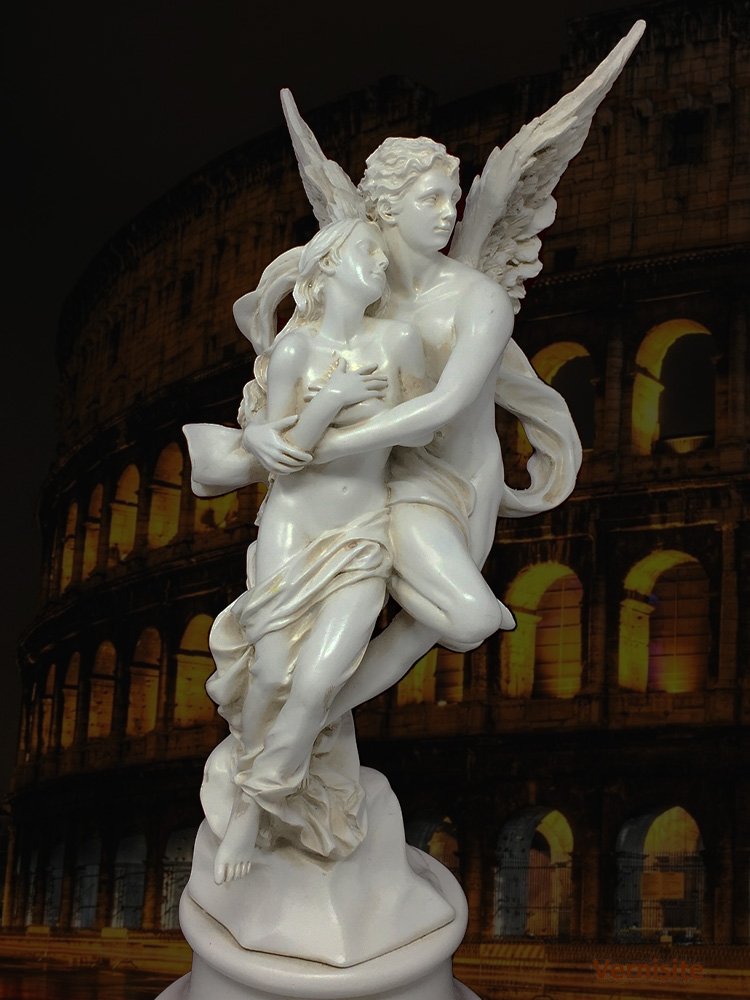
Psyche and Eros are among the most romantic figures in classical mythology.
Eros was the Greek god of love and desire, corresponding to Cupid in Roman tradition.
Psyche was a mortal princess whose extraordinary beauty attracted the attention of the gods. Their story includes love, separation, difficult trials, forgiveness, and reunion. Psyche eventually received immortality so that she and Eros could remain together.
Psyche and Eros are often depicted as winged lovers, representing immortal love.
Their sculpture represents trust, emotional growth, devotion, and love strong enough to survive adversity. It makes a meaningful anniversary, wedding, engagement, or Valentine’s Day gift.
Diana (Artemis): Independence, Nature, and Protection
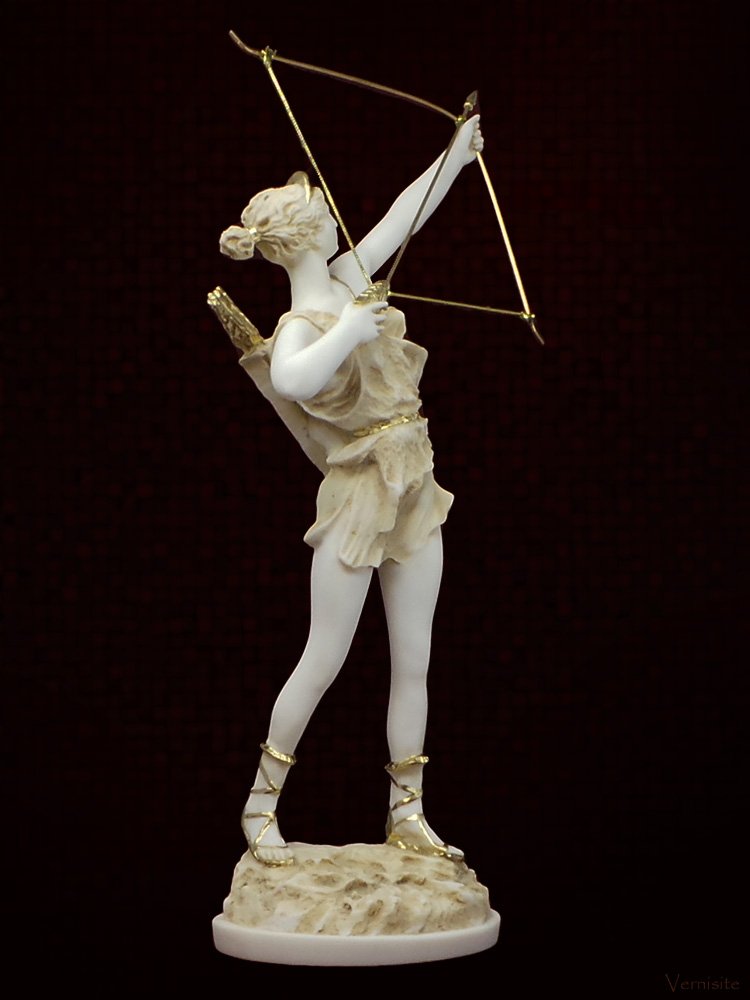
Artemis or Diana with Bow Sculpture represents one of mythology’s most independent and powerful goddesses.
Artemis was the Greek goddess of the hunt, wilderness, wild animals, and the protection of young people.
Diana was her Roman counterpart. The bow is her most recognizable symbol, representing focus, confidence, skill, and the ability to protect oneself.
In home decor, an Artemis or Diana sculpture can represent independence, inner strength, freedom, and respect for nature. It makes a meaningful gift for someone courageous, self-reliant, adventurous, or beginning a new chapter in life.
The Wounded Amazon: Courage Through Adversity
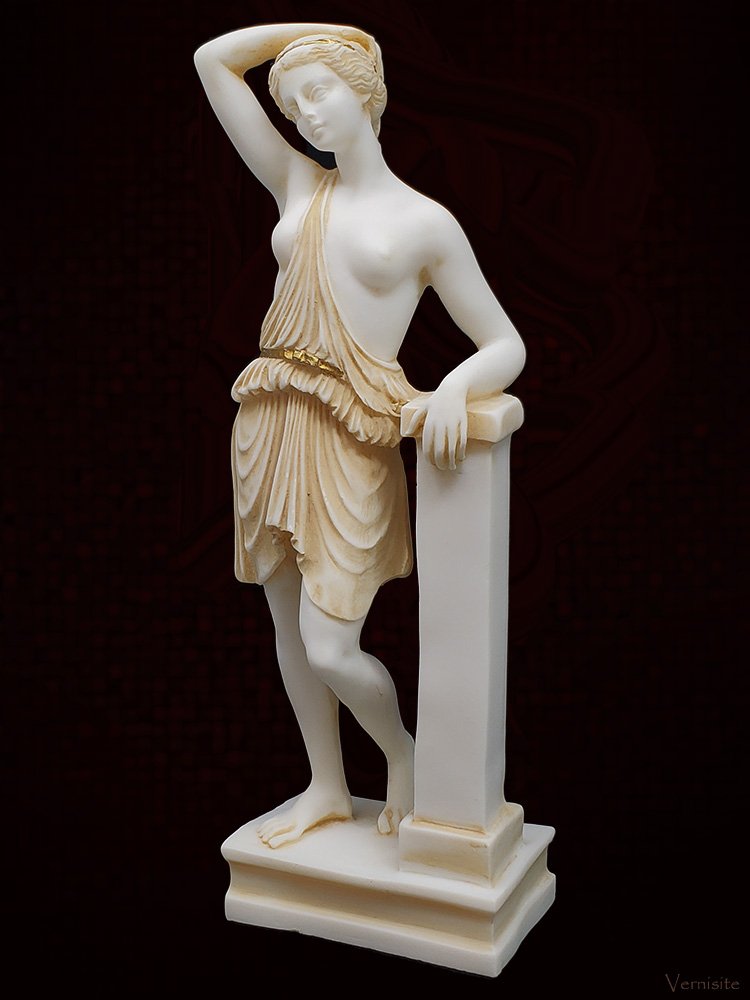
The Amazons were legendary warrior women celebrated for their bravery, archery, horsemanship, and independent way of life.
The Wounded Amazon Warrior Sculpture presents strength in a more thoughtful and human form. Although wounded, the warrior remains dignified and composed.
As an artistic symbol, the Wounded Amazon represents resilience, sacrifice, endurance, and courage during difficult times. It can be a powerful gift for someone who has overcome hardship, faced illness, or remained strong through a demanding personal journey.
Venus and Aphrodite: Love and Divine Beauty
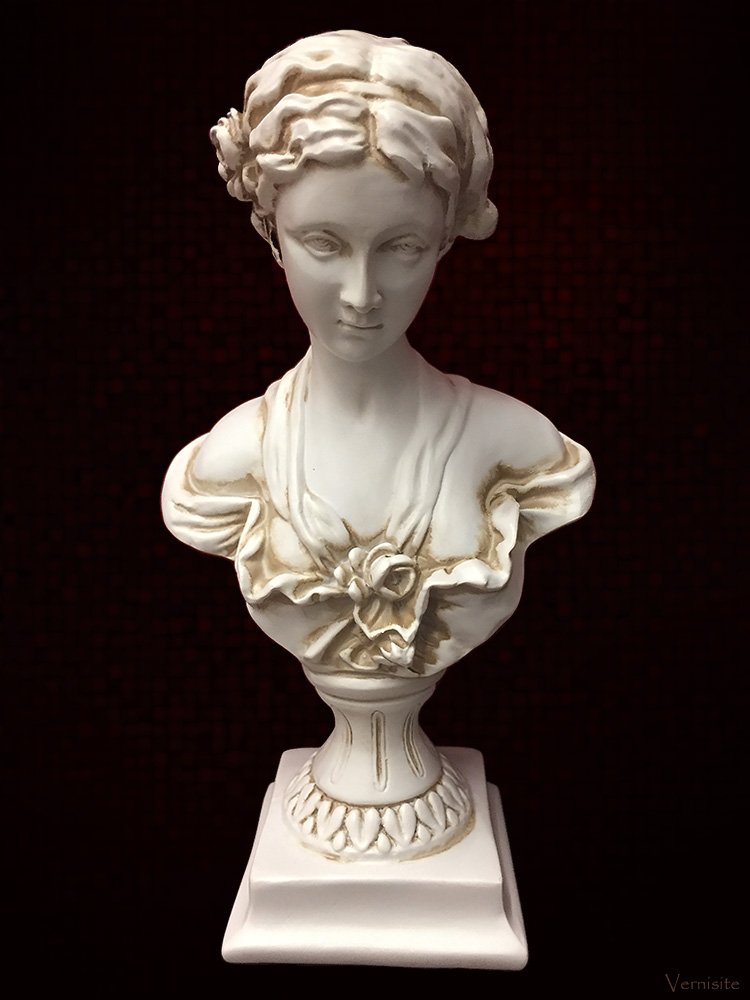
Venus was the Roman goddess of love, beauty, attraction, and fertility. Her Greek counterpart was Aphrodite.
The Greek Goddess Venus Statue celebrates feminine beauty, affection, confidence, and grace. In a bedroom, dressing area, living room, or artistic studio, a Venus statue can create an atmosphere of elegance and romantic charm.
As a gift, Venus symbolizes admiration and affection. It may be especially appropriate for a spouse, romantic partner, bride, art lover, or anyone who appreciates classical representations of beauty.
Hygieia and the Bowl of Hygieia: Health and Healing
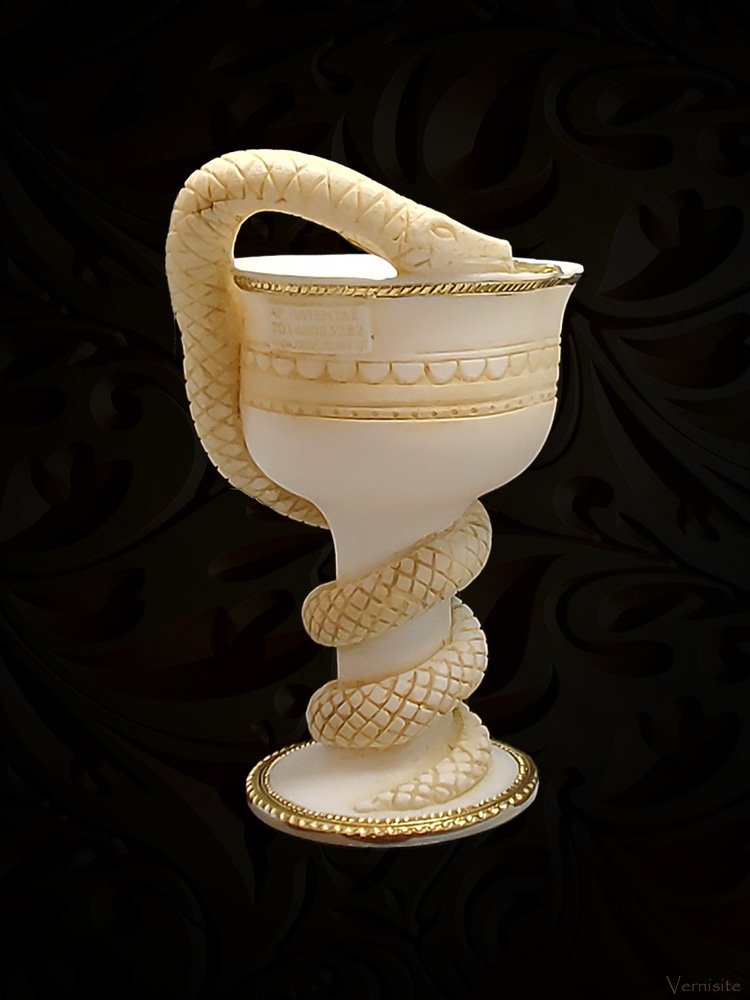
Hygieia was the Greek goddess associated with health, cleanliness, prevention, and well-being. Her name is the origin of the modern word “hygiene.”
The Bowl of Hygieia traditionally features a serpent drinking from or encircling a bowl. Today, it is internationally recognized as a symbol of pharmacy.
The bowl may represent medicinal preparation, while the serpent is associated with renewal, healing, and wisdom. This symbolic piece makes a thoughtful professional gift for a pharmacist, pharmacy student, doctor, nurse, healthcare worker, or medical-office graduate.
The Parthenon: Wisdom, Civilization, and Classical Achievement
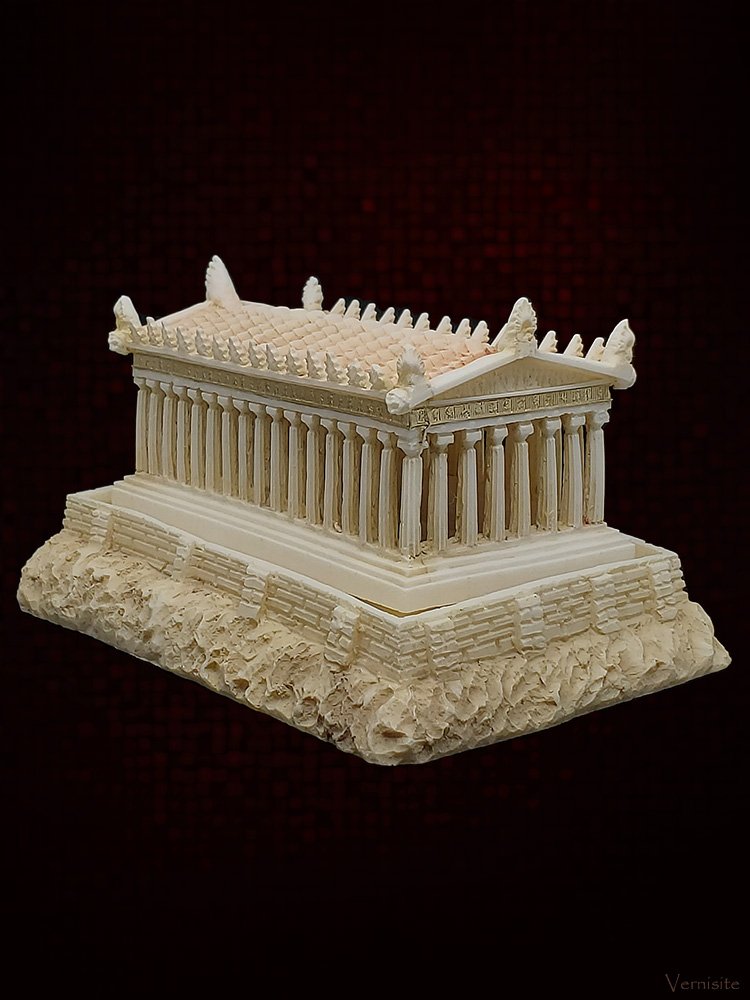
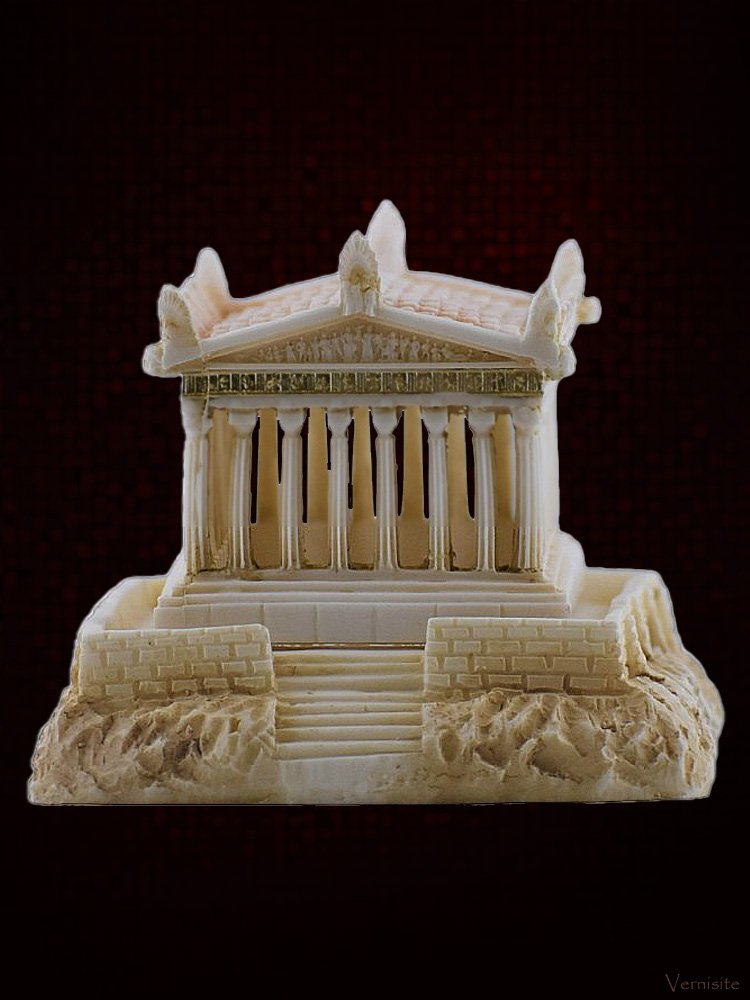
The Parthenon Temple Sculpture is inspired by the celebrated temple on the Acropolis of Athens.
The ancient Parthenon was dedicated to Athena, the protective goddess of Athens. Its harmonious proportions and architectural refinement have made it one of the world’s most recognizable symbols of classical Greek civilization.
In home or office decor, a Parthenon replica can symbolize wisdom, culture, artistic achievement, history, and respect for learning. It is an excellent gift for teachers, architects, historians, students, travelers, and admirers of ancient Greece.
Athena and Perseus: Wisdom Guiding Courage
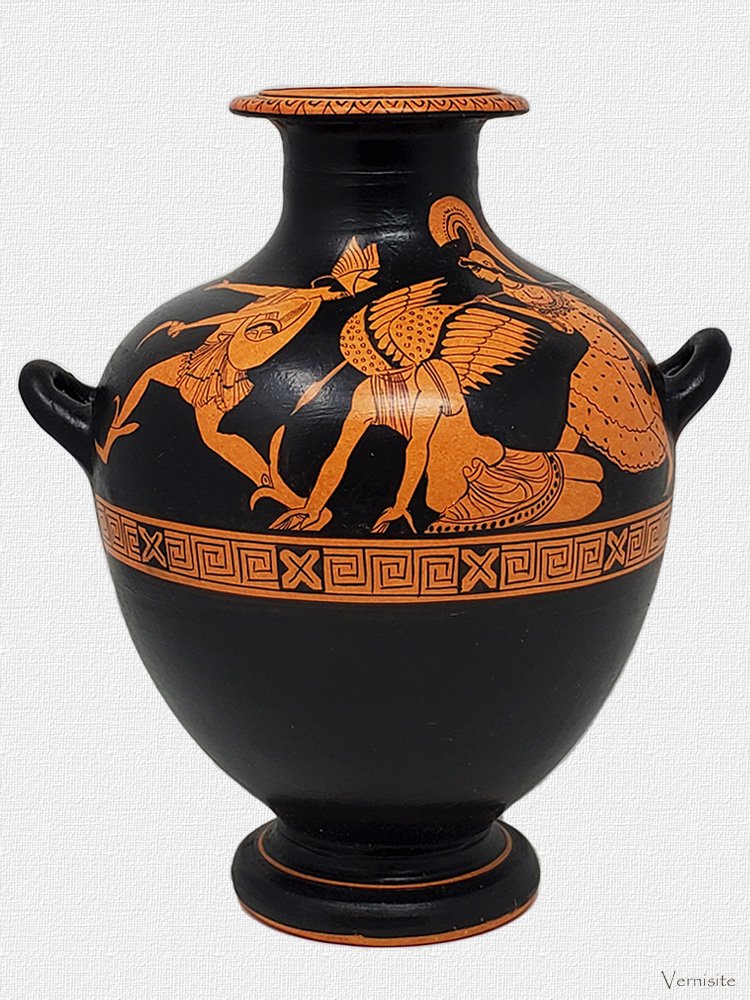
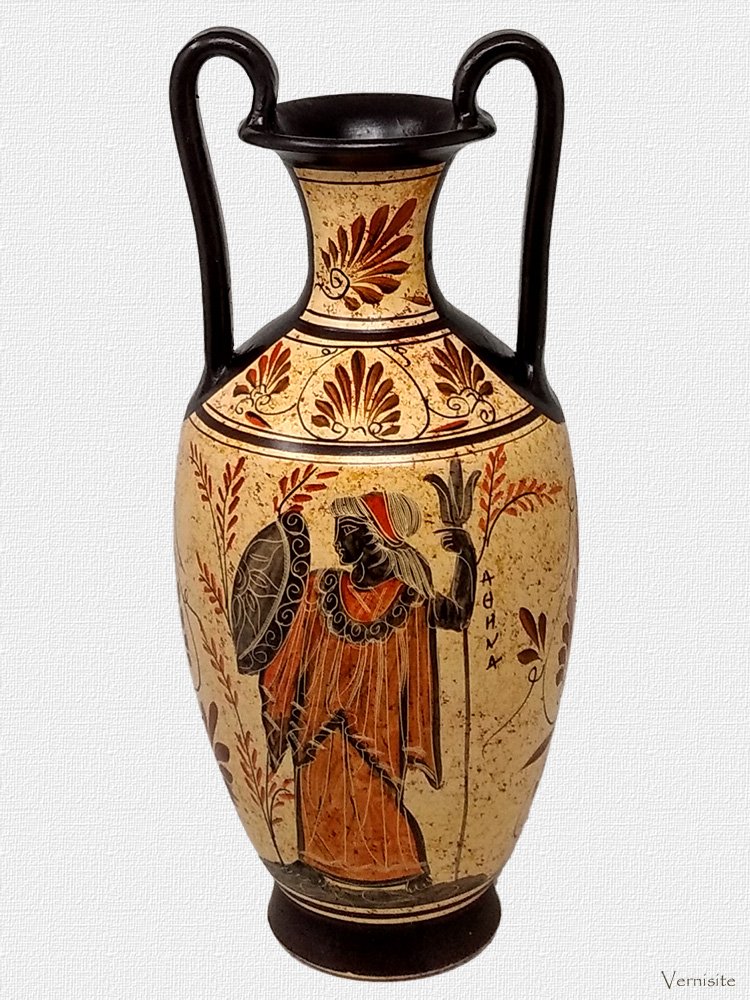
The Athena and Perseus Greek Mythology Vase brings together two important mythological figures.
Athena was the goddess of wisdom, strategic warfare, craftsmanship, and disciplined thought. Perseus was the courageous hero who defeated Medusa, whose gaze could turn people to stone. In the myth, Athena assisted Perseus in accomplishing his dangerous mission.
Together, Athena and Perseus symbolize the union of intelligence and courage. The story suggests that strength becomes more effective when guided by wisdom, preparation, and self-control.
This painted vase can make a meaningful gift for a graduate, student, leader, strategist, or anyone preparing to face a major challenge.
Tyche and Fortuna: Prosperity and Good Fortune
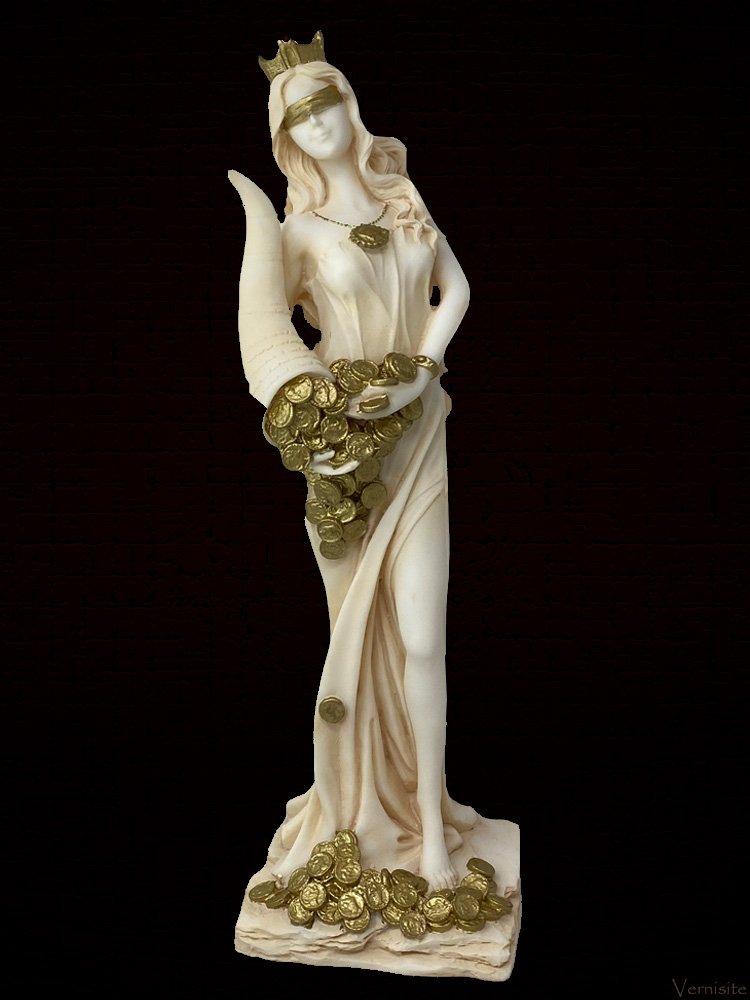
The Tyche, Goddess of Fortune Statue includes the cornucopia, or horn of plenty—a traditional symbol of abundance, nourishment, prosperity, and generosity.
A Tyche or Fortuna sculpture is a positive decorative symbol for a home, office, or business. It makes an especially thoughtful housewarming, business-opening, retirement, or New Year gift, expressing wishes for opportunity, success, and good fortune.
Atlas: Endurance, Responsibility, and Cosmic Strength
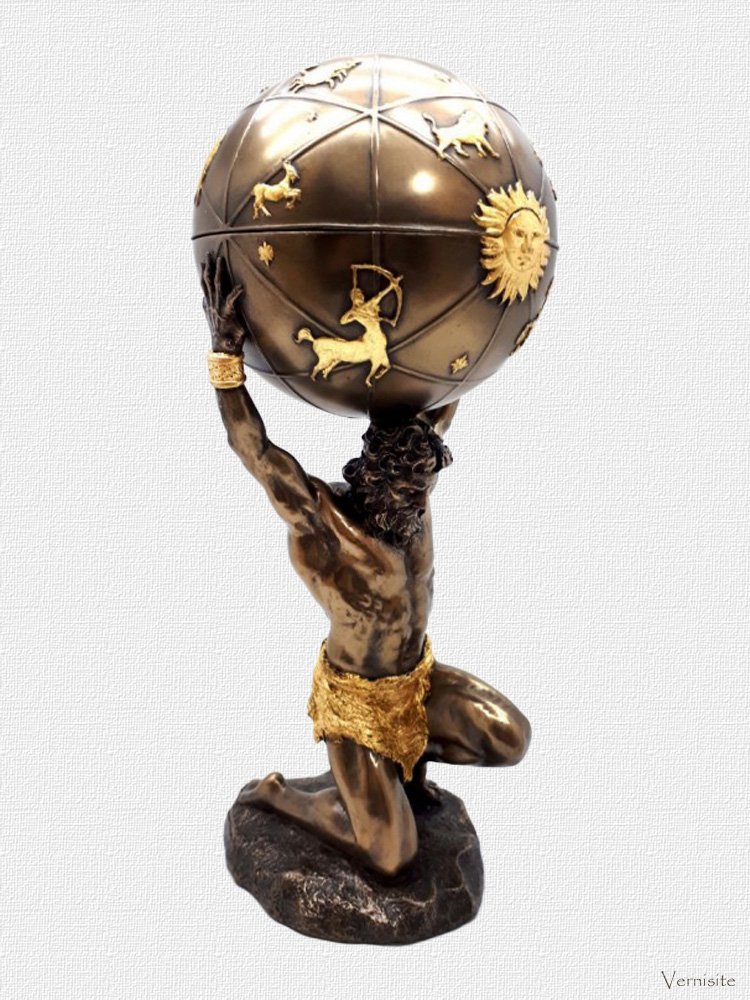
Atlas was a Titan condemned to support the heavens after the war between the Titans and the Olympian gods. In classical mythology, he held up the sky or celestial sphere—not the planet Earth.
The Atlas Titan Holding Celestial Globe Statue represents extraordinary strength, endurance, duty, and responsibility. The celestial globe also connects Atlas with astronomy, navigation, and humanity’s desire to understand the universe.
An Atlas statue can be an inspiring gift for someone who carries significant responsibilities, works hard for others, or perseveres despite pressure. It is also a suitable decorative piece for an office, library, study, or astronomy-themed room.
Aphrodite and Dionysus: Love, Joy, and Celebration
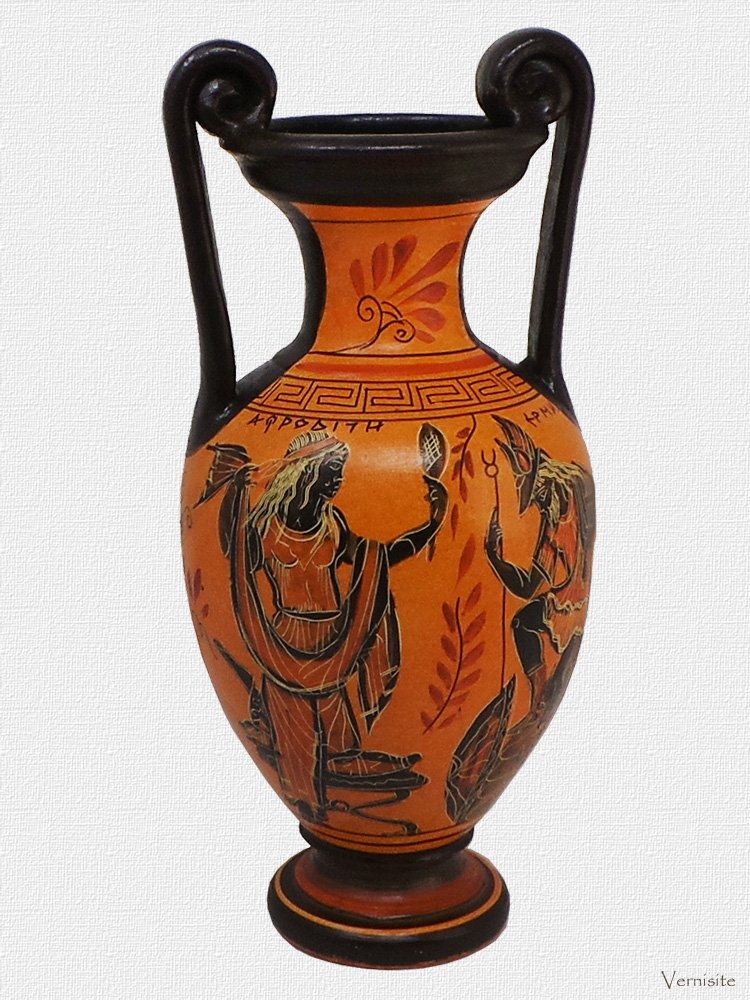
The Aphrodite and Dionysus Mythological Vase combines two figures associated with some of life’s greatest pleasures.
Aphrodite represents love, beauty, attraction, and desire. Dionysus was the god of wine, theater, celebration, fertility, and ecstatic joy.
Together, they can symbolize romance, hospitality, creativity, festivity, and the enjoyment of life. A painted vase featuring these deities is a fitting gift for couples, wine enthusiasts, performers, artists, or anyone who enjoys entertaining guests.
The Greek Horse: Nobility, Freedom, and Victory
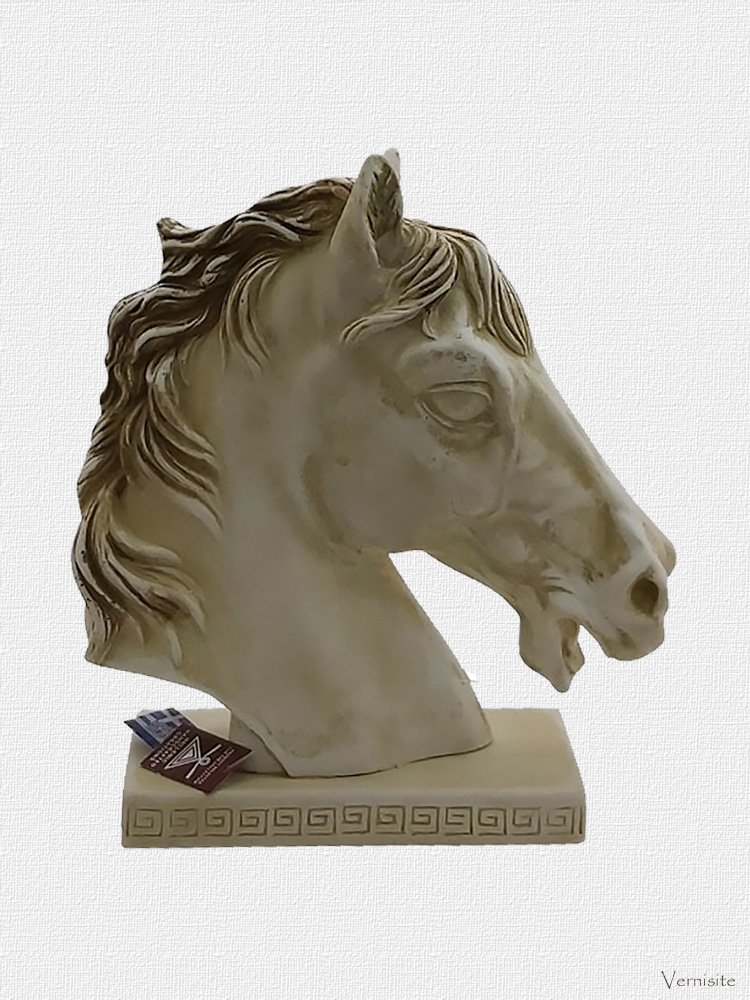
Horses were important in ancient Greek life, warfare, athletic competitions, and mythology. They were connected with heroes, chariots, military success, and prestigious public ceremonies.
The Greek Horse Head Sculpture can symbolize freedom, nobility, intelligence, movement, and determination.
Horse sculptures work beautifully in traditional, rustic, equestrian, or classical interiors. They make positive gifts for horse lovers, athletes, business leaders, travelers, and people pursuing ambitious goals.
Hera and Zeus: Marriage, Authority, and Partnership
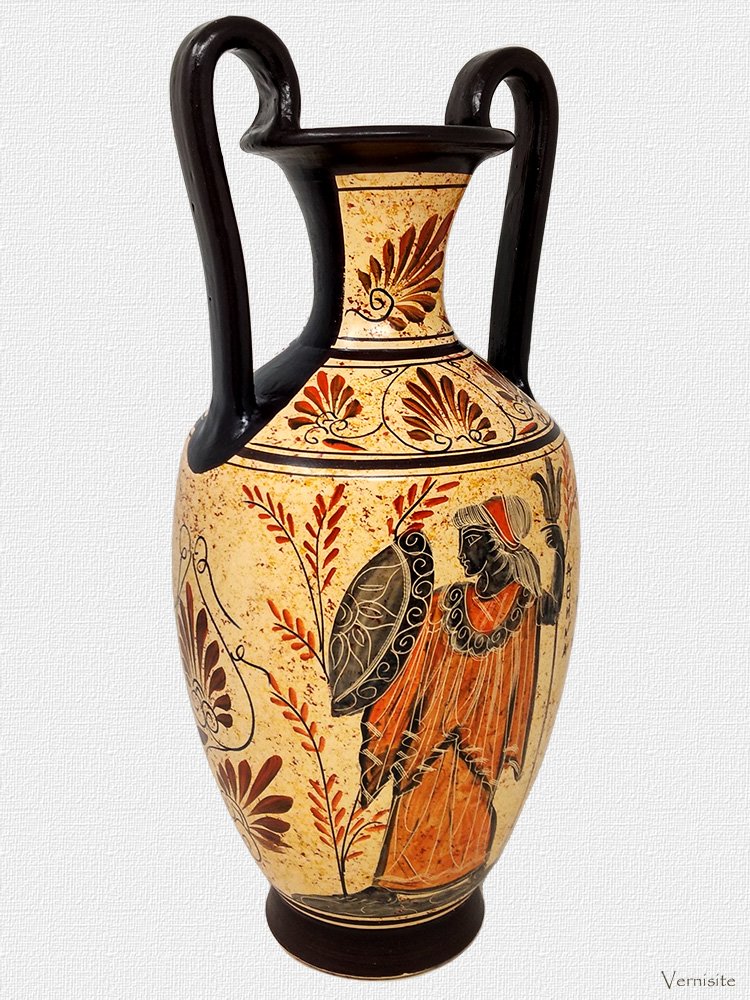
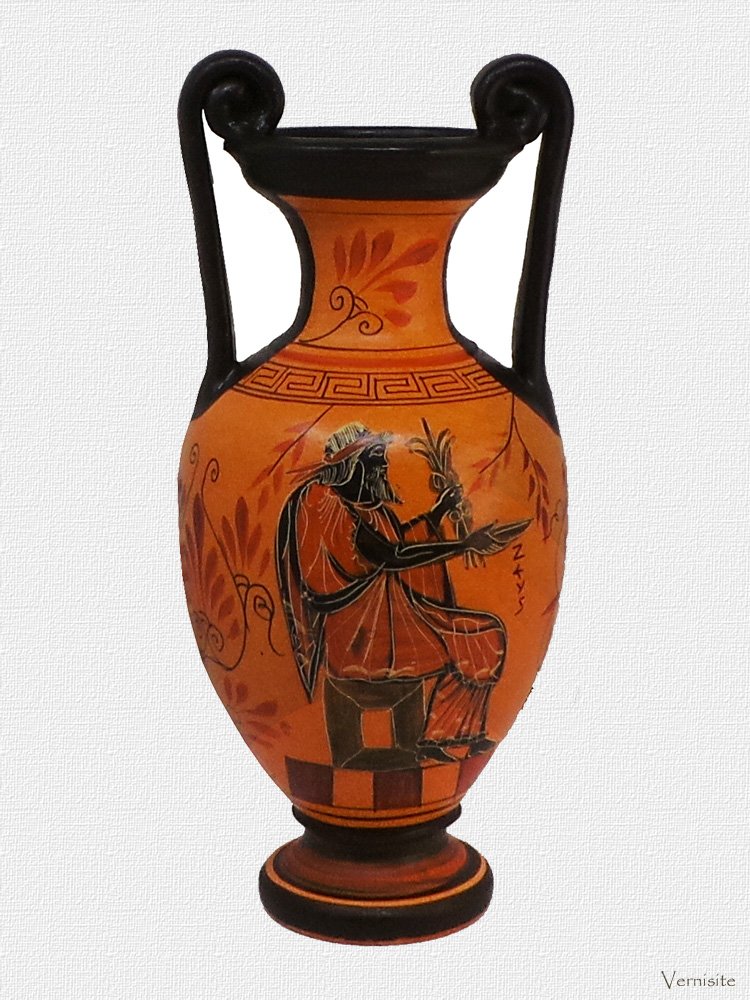
The Hera and Zeus Ceramic Greek Amphora Vase portrays the royal couple of Mount Olympus.
Zeus ruled the Olympian gods and was associated with the sky, thunder, law, and authority. Hera was the queen of the gods and the goddess of marriage, family, and queenship.
Their mythology includes both unity and conflict, making them a complex symbol of marriage, commitment, authority, and the challenges of partnership. A Hera and Zeus vase can be an appropriate wedding or anniversary gift, particularly for someone who appreciates mythology and classical pottery.
Venus de Milo: Timeless Beauty and Artistic Mystery
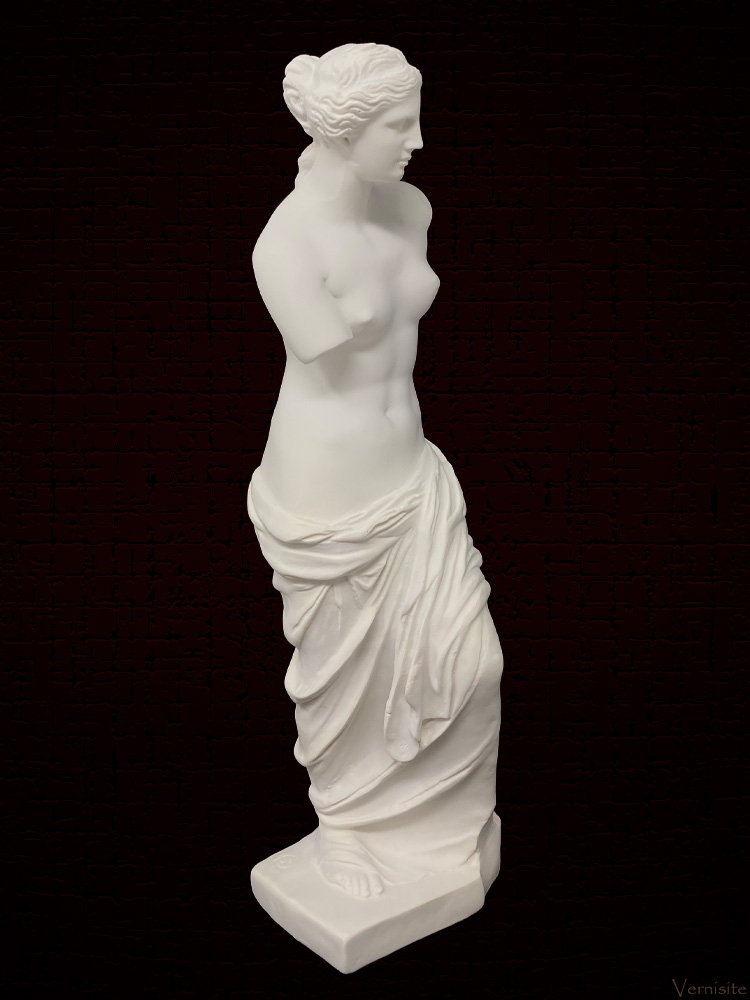
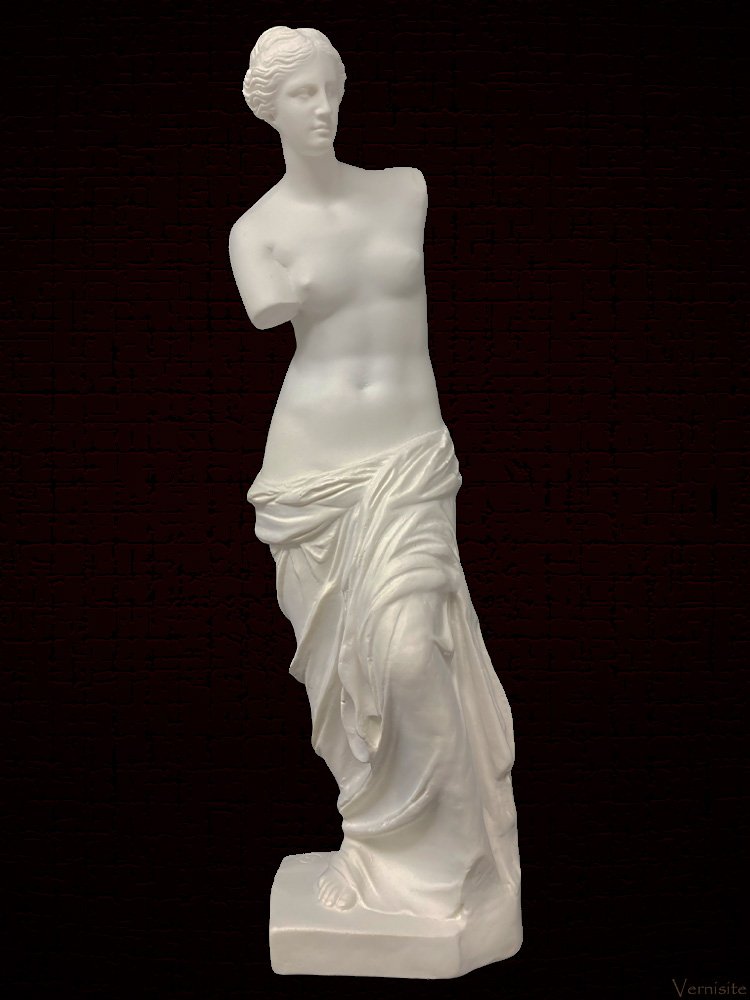
The Venus de Milo Greek Goddess Sculpture is inspired by one of the most famous sculptures surviving from the ancient Greek world.
Although widely known by the Roman name Venus, the original statue is generally understood to portray Aphrodite, the Greek goddess of love and beauty.
The missing arms of the ancient sculpture have contributed to its mystery and worldwide recognition. Today, the Venus de Milo symbolizes timeless beauty, artistic perfection, elegance, and the enduring influence of classical art.
This sculpture makes a refined gift for artists, art-history enthusiasts, collectors, designers, and admirers of feminine beauty.
The Knossos Minoan Bull: Power and Ancient Civilization
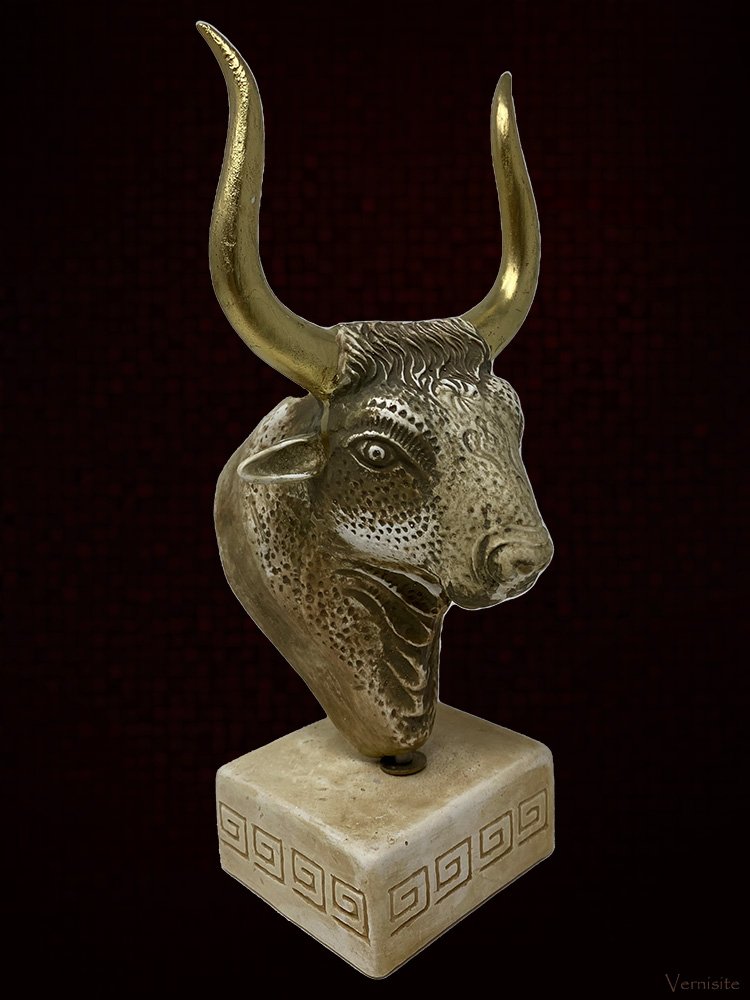
Bulls held great cultural and ceremonial importance in Minoan Crete. They appear in ancient frescoes, religious imagery, bull-leaping scenes, and the famous mythology of the Minotaur and the Labyrinth.
The Knossos Minoan Bull Sculpture represents strength, vitality, determination, and the mystery of the ancient Minoan world.
As home decor, it can create a bold historical focal point. As a gift, it is suitable for someone who appreciates archaeology, ancient civilizations, powerful animal symbols, or distinctive Mediterranean art.
The Sphinx of Naxos: Protection, Mystery, and Wisdom
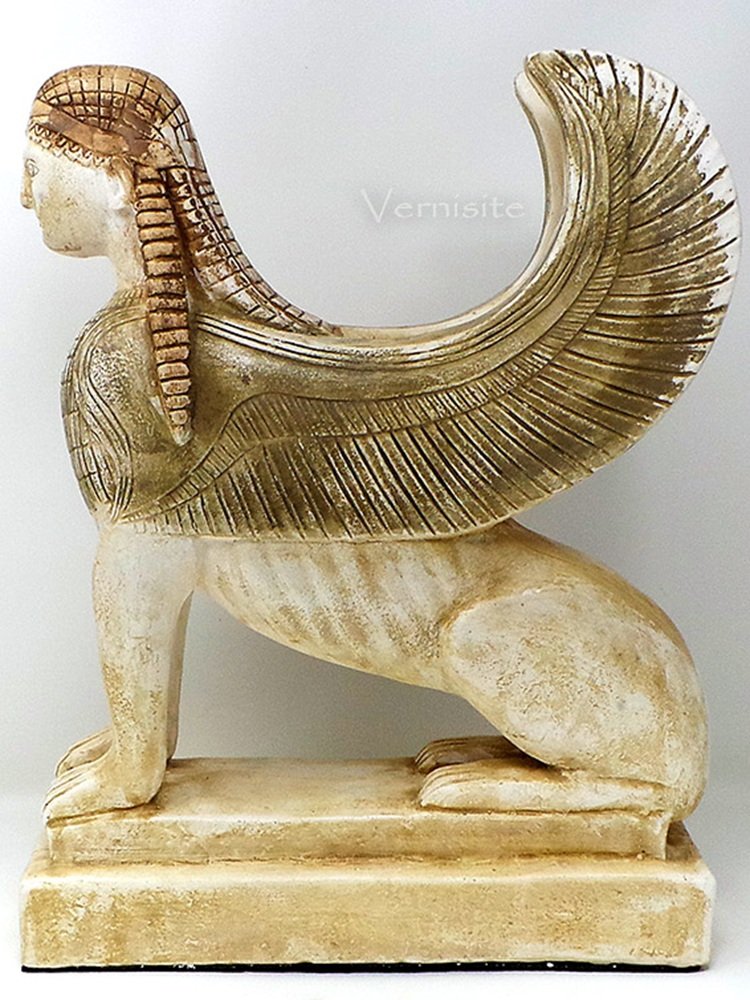
The Greek sphinx was a mythological creature typically shown with the body of a lion, the wings of a bird, and the head of a woman.
Unlike the better-known Egyptian sphinx, the Greek sphinx was often connected with riddles, watchfulness, danger, and the boundary between the known and unknown. The ancient Sphinx of Naxos was a monumental offering at Delphi.
The Sphinx of Naxos Sculpture can symbolize mystery, intelligence, protection, and respect for ancient knowledge. It makes a fascinating gift for historians, travelers, mythology enthusiasts, and collectors of unusual classical art.
Giving Mythology as a Meaningful Gift
Choosing mythological art as a gift becomes easier when you begin with the message you want to communicate.
Choose Aphrodite or Venus for love and beauty; Psyche and Eros for enduring romantic devotion; Tyche for fortune and prosperity; Artemis for independence and strength; Athena and Perseus for wisdom and courage; Atlas for endurance and responsibility; Hygieia for health and well-being; or the Greek horse for freedom and strength.
The recipient does not need to be an expert in mythology to appreciate the meaning.
Sometimes the most memorable gifts are those that come with a story.
Explore Vernisite’s mythological statues, handcrafted sculptures, and painted vases to discover a meaningful work of art for your home—or a distinctive gift selected with purpose.
-
Sale!
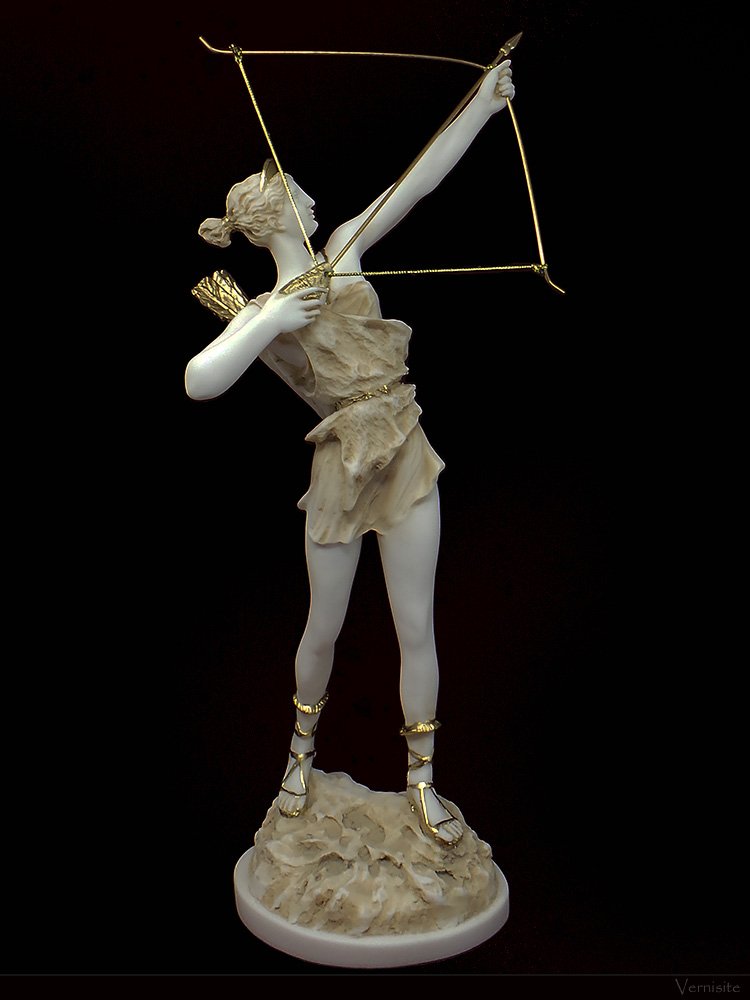
Artemis Diana with Bow Sculpture | Greek Goddess Art Decor | Vernisite
Original price was: $119.99.$109.99Current price is: $109.99.
-
Sale!
Handcrafted Wounded Amazon Warrior Sculpture | Elegant Greco-Roman Maiden Statue
Original price was: $59.25.$51.99Current price is: $51.99.
-
Sale!
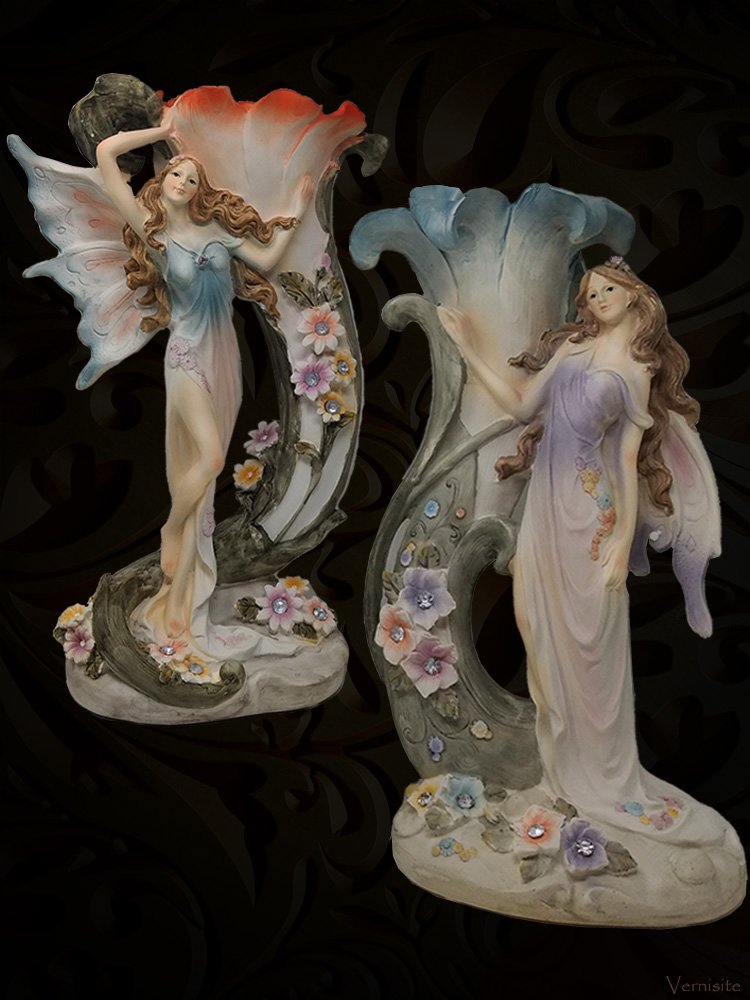
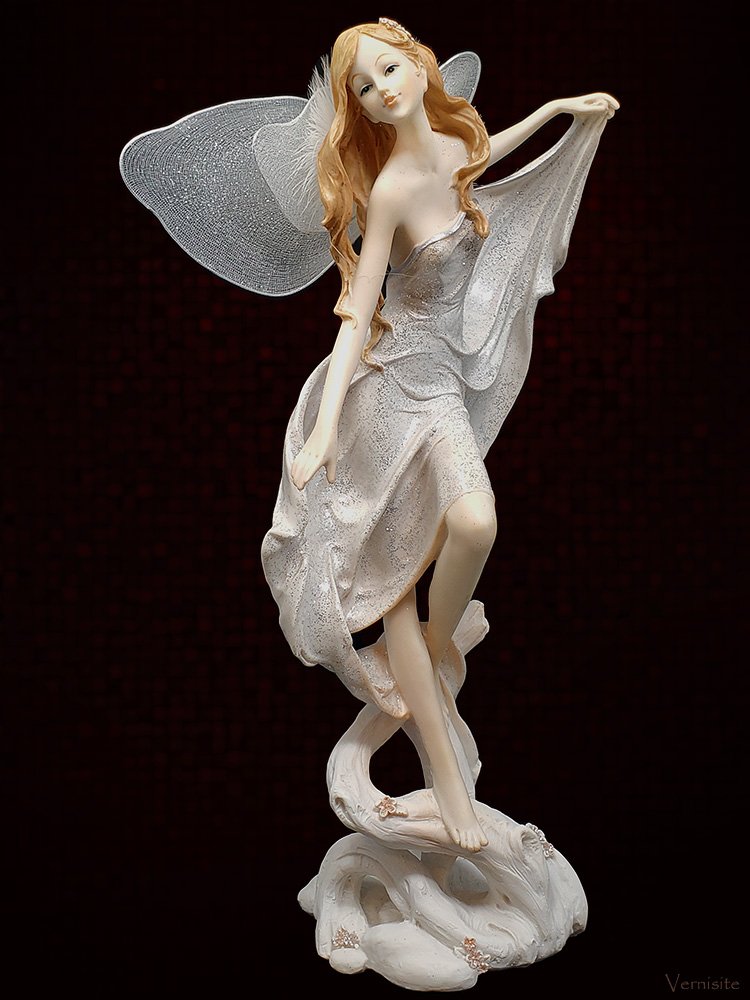
Handcrafted Butterfly Fairy Flower Vase | Fantasy Fairy Home Décor Sculpture
Original price was: $319.95.$299.99Current price is: $299.99.
-
Sale!
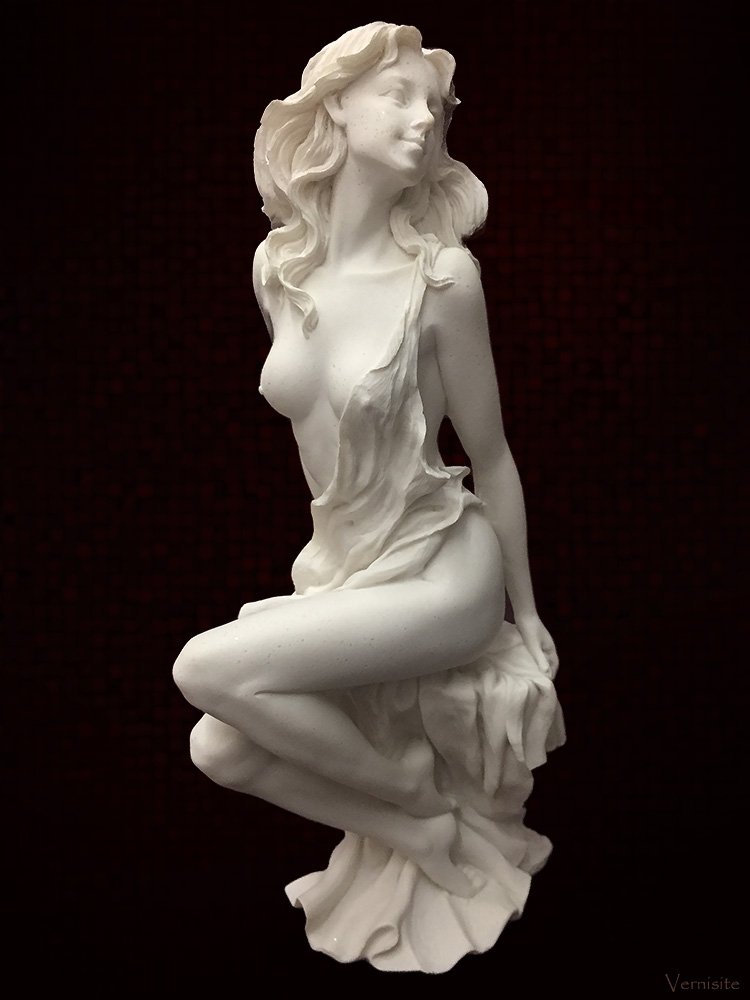
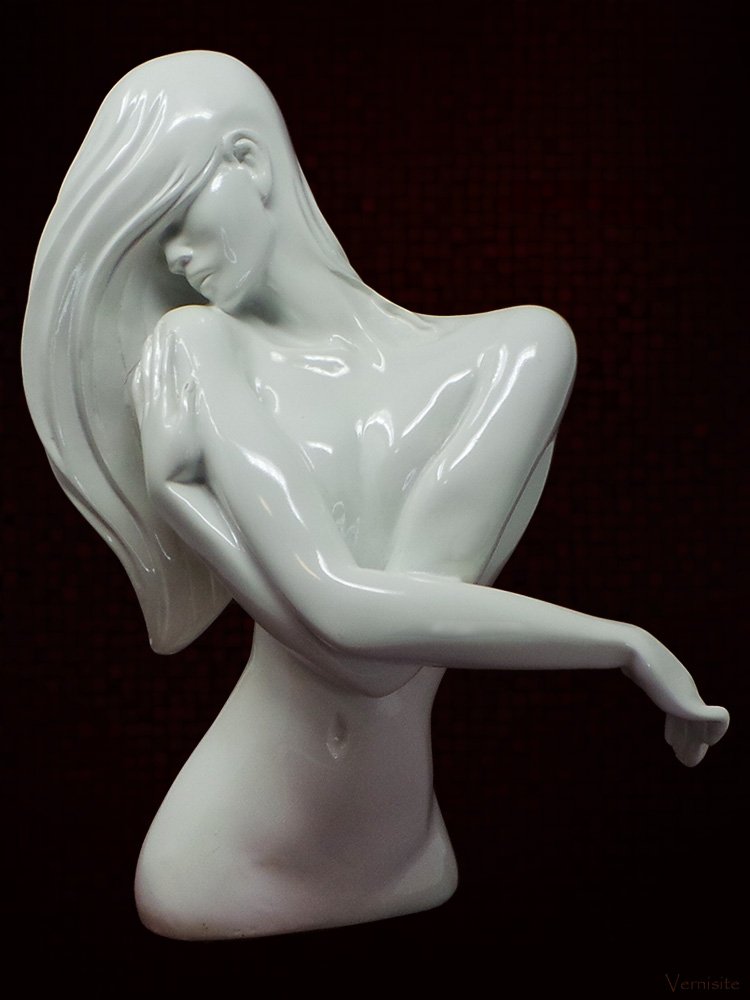
Handcrafted Seated Woman Sculpture | Elegant Feminine Art Statue for Home Décor
Original price was: $78.99.$69.95Current price is: $69.95.
-
Sale!
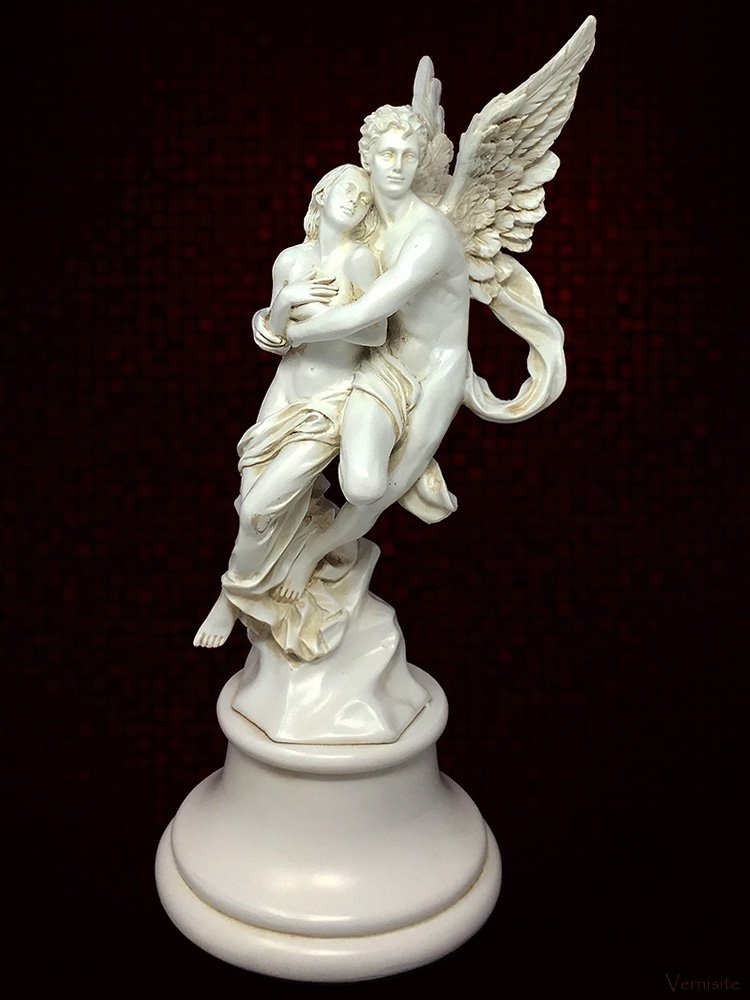
Psyche and Eros Statue | Handcrafted Greek Mythology Romantic Sculpture | Vernisite
Original price was: $134.65.$125.99Current price is: $125.99.
-
Sale!
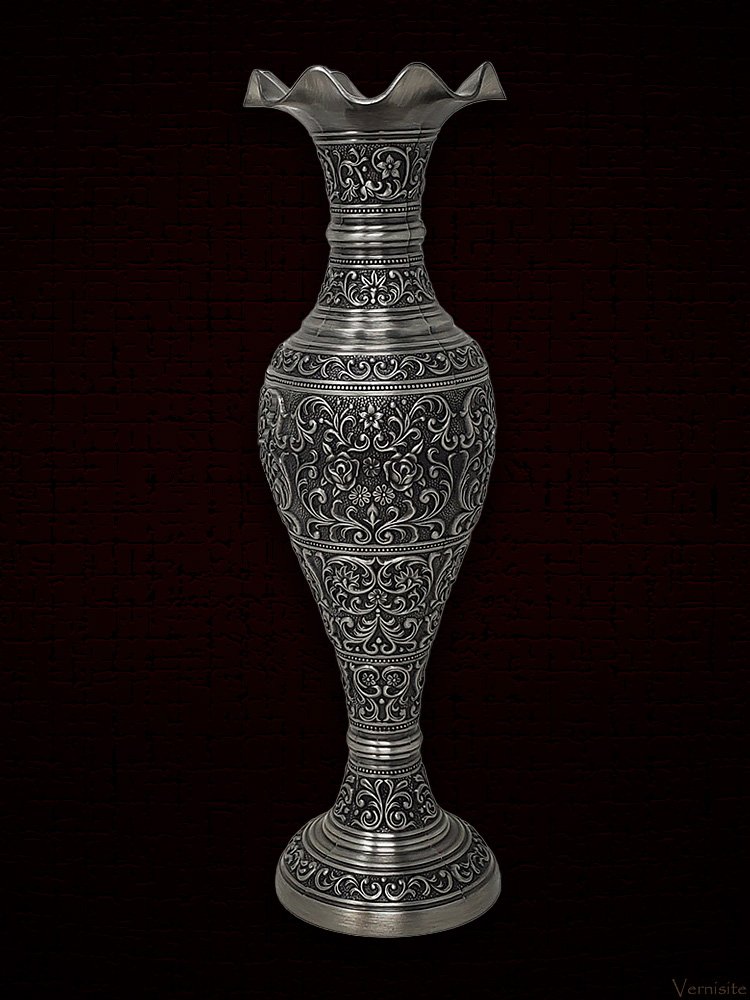
Handcrafted Silver Floral Metal Vase | Vintage Embossed Decorative Home Accent
Original price was: $51.95.$45.20Current price is: $45.20.
-
Sale!
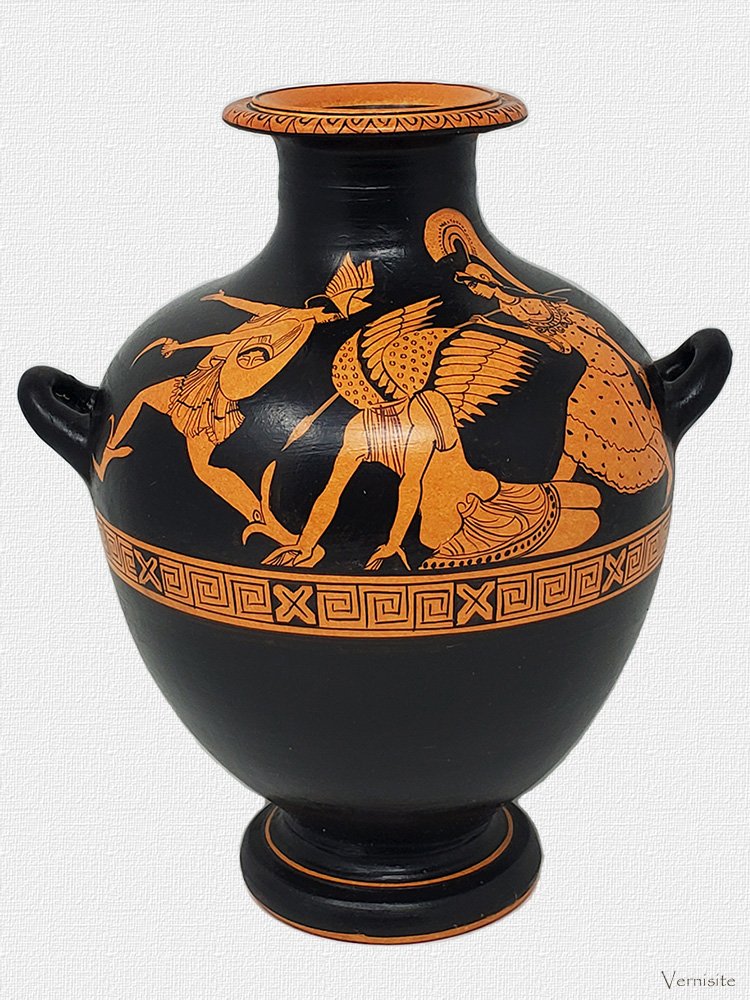
Athena and Perseus Greek Black Amphora Vase | Handcrafted Mythology Art
Original price was: $129.95.$125.00Current price is: $125.00.
-
Sale!
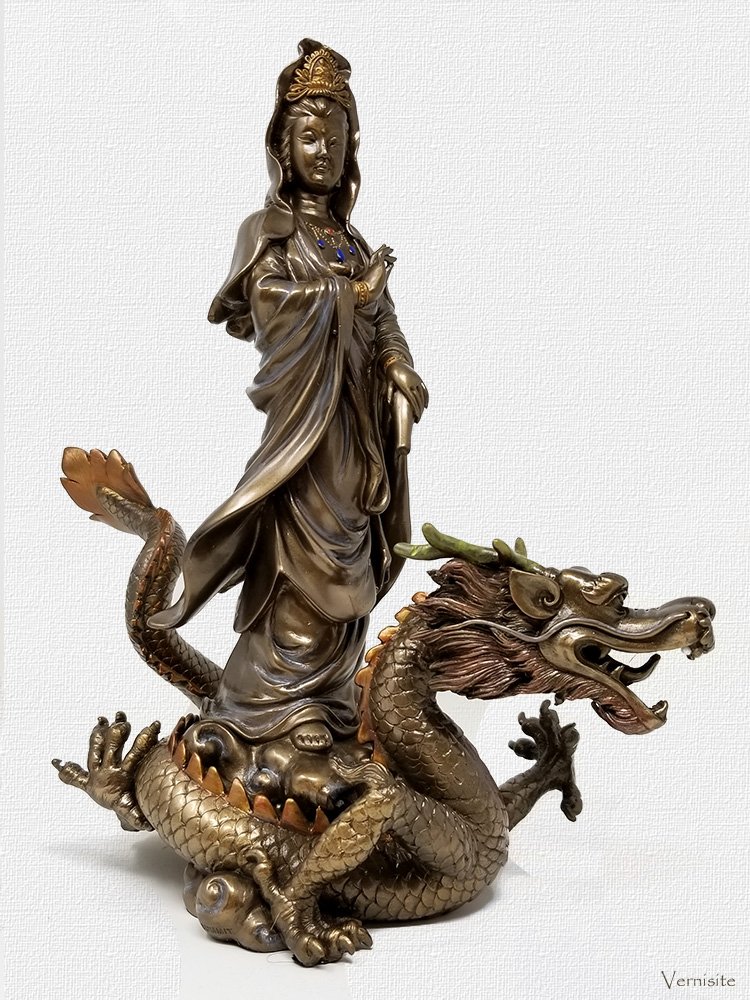
Quan Yin Standing on Chinese Dragon Statue | Handcrafted Compassion & Protection Sculpture
Original price was: $84.99.$79.00Current price is: $79.00.
-
Sale!
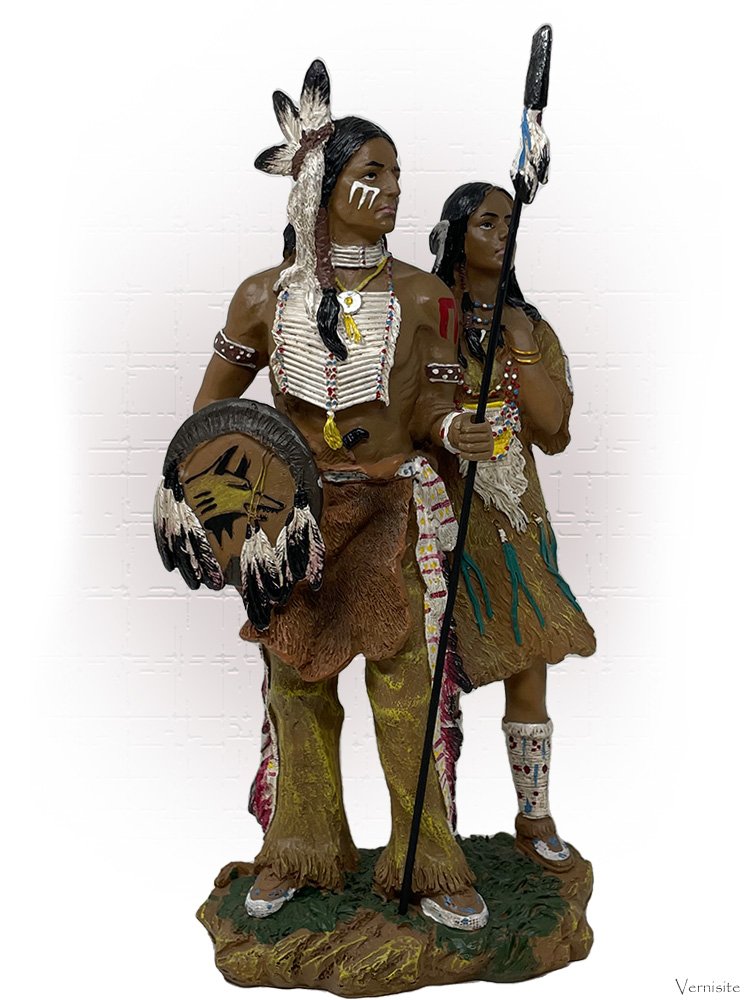
Native American Warrior Couple Statue | Symbol of Love and Unbreakable Unity
Original price was: $78.99.$69.00Current price is: $69.00.
-
Sale!
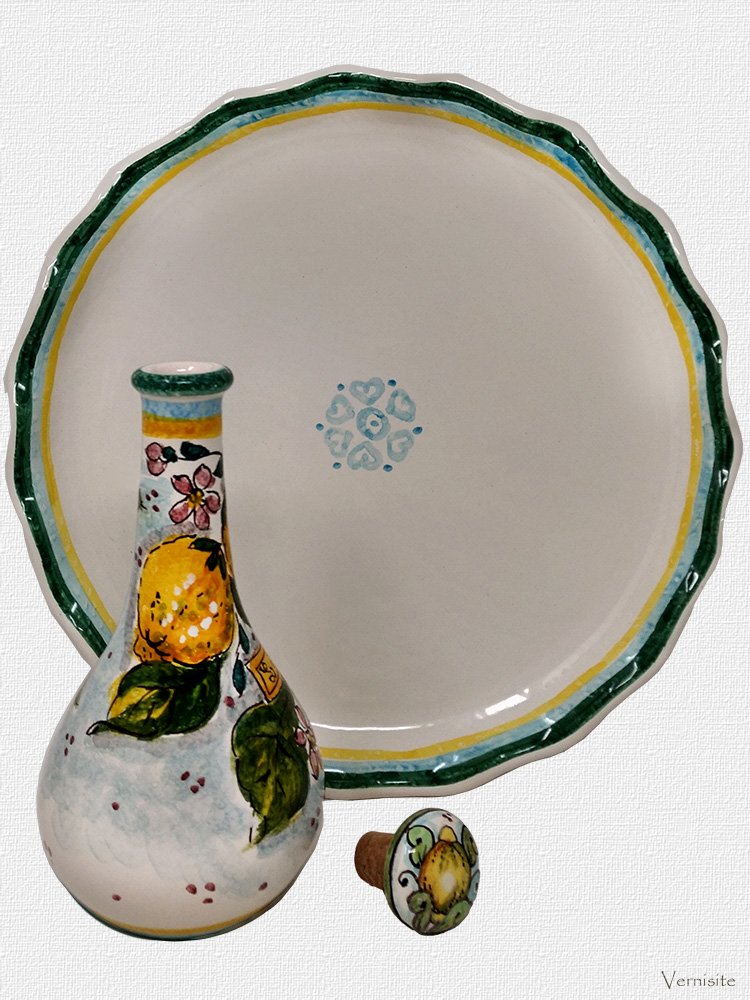
Handmade Italian Ceramic Limoncello Set | 8-Piece Tuscan Pottery with Bottle, Tray, and 6 Serving Cups
Original price was: $205.99.$185.00Current price is: $185.00.
-
Sale!
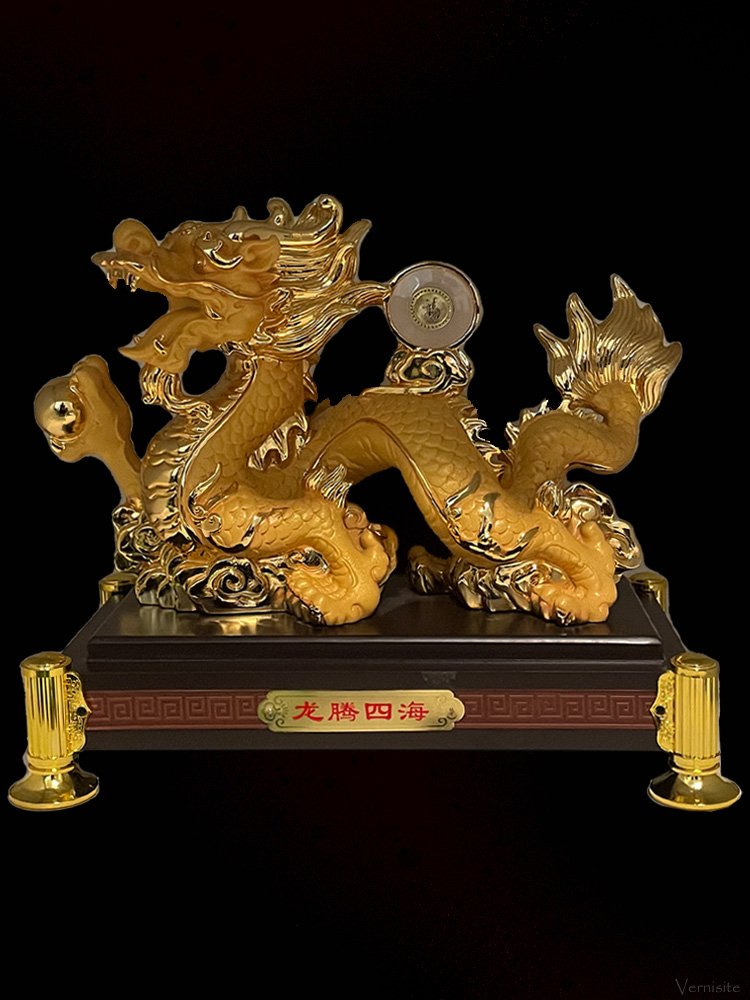
Handcrafted Golden Dragon Statue | Chinese Good Fortune & Prosperity Decor
Original price was: $224.99.$205.00Current price is: $205.00.
-
Sale!
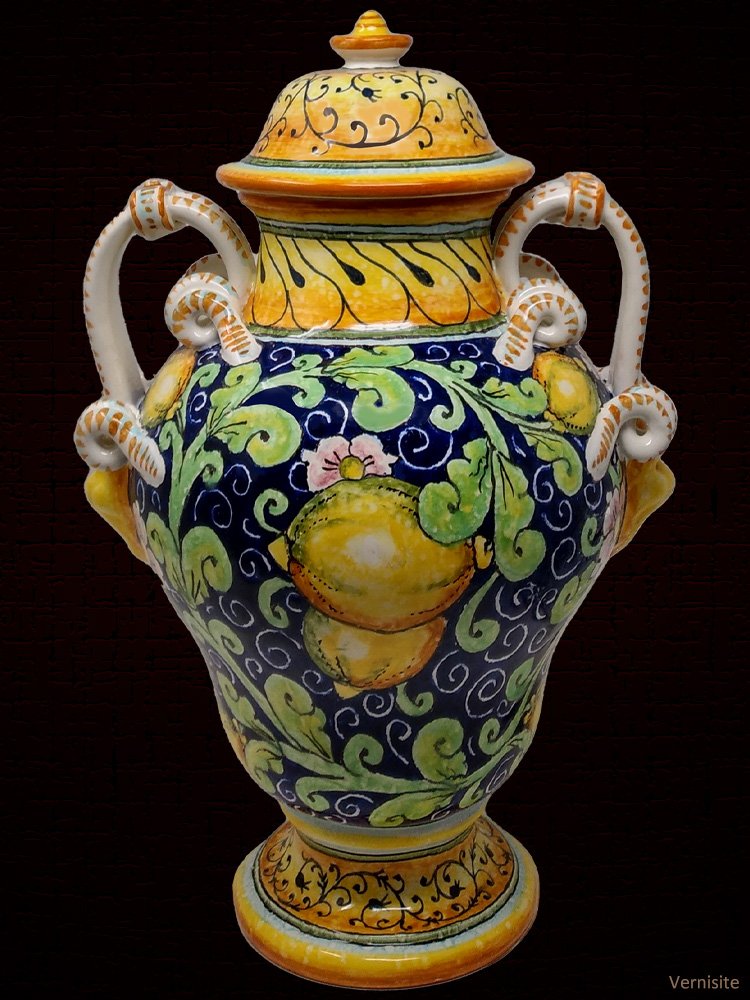
Italian Ceramic Amphora Vase | Large European Decorative Jar
Original price was: $438.99.$395.00Current price is: $395.00.
-
Sale!
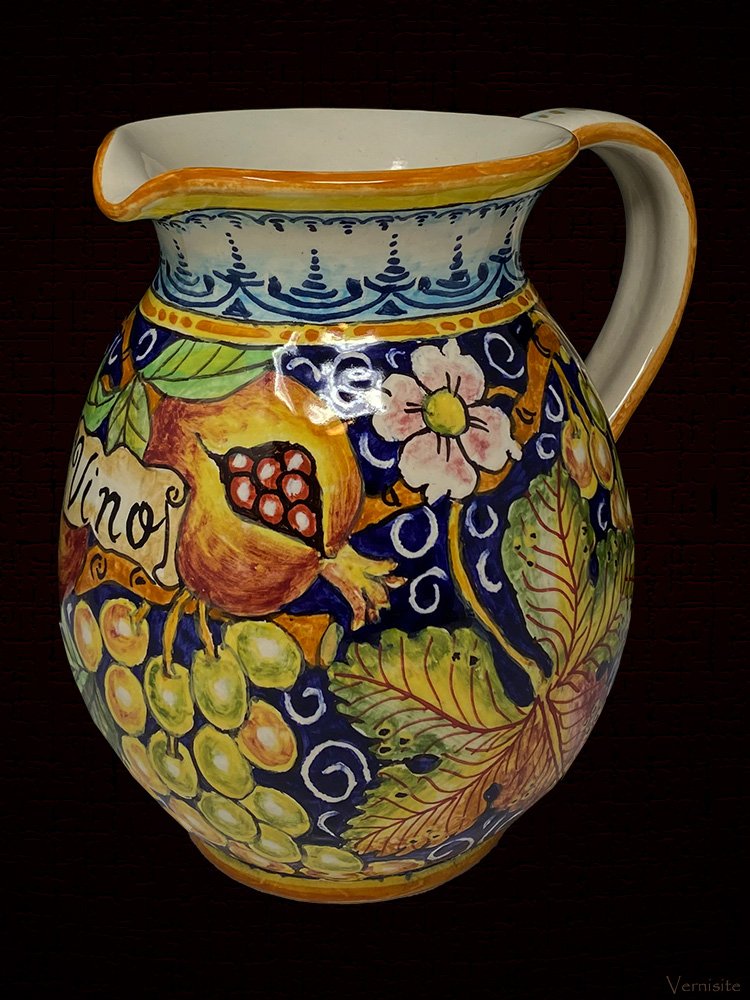
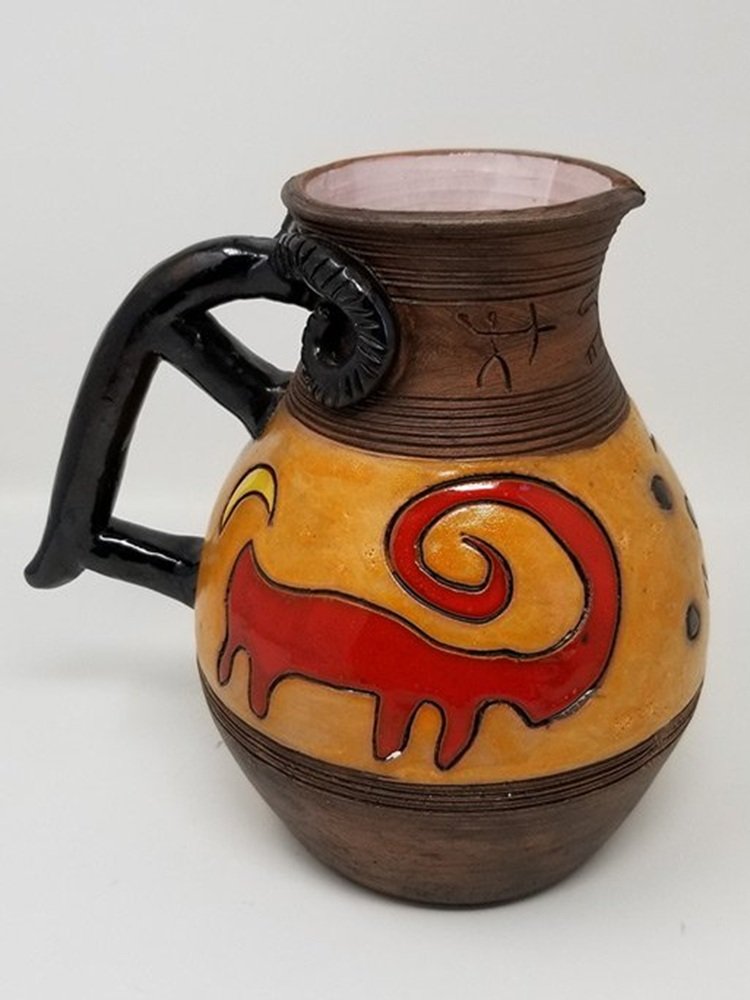
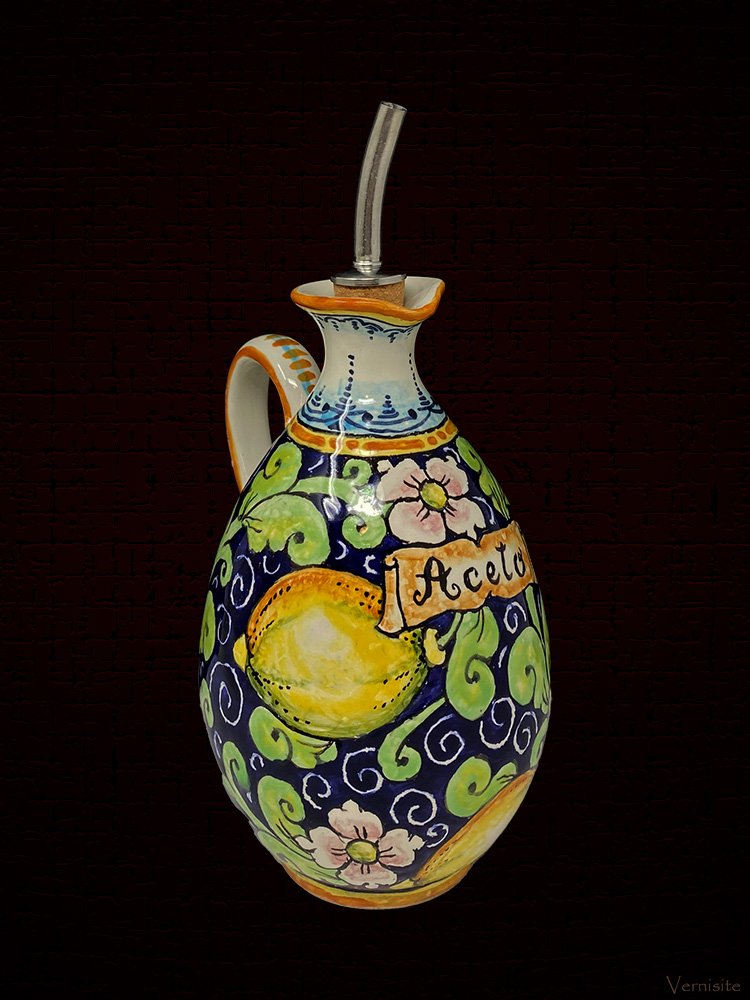
Hand-Painted Italian Ceramic Wine Pitcher | 0.36 Gal Food-Safe Art
Original price was: $151.95.$147.00Current price is: $147.00.
-
Sale!
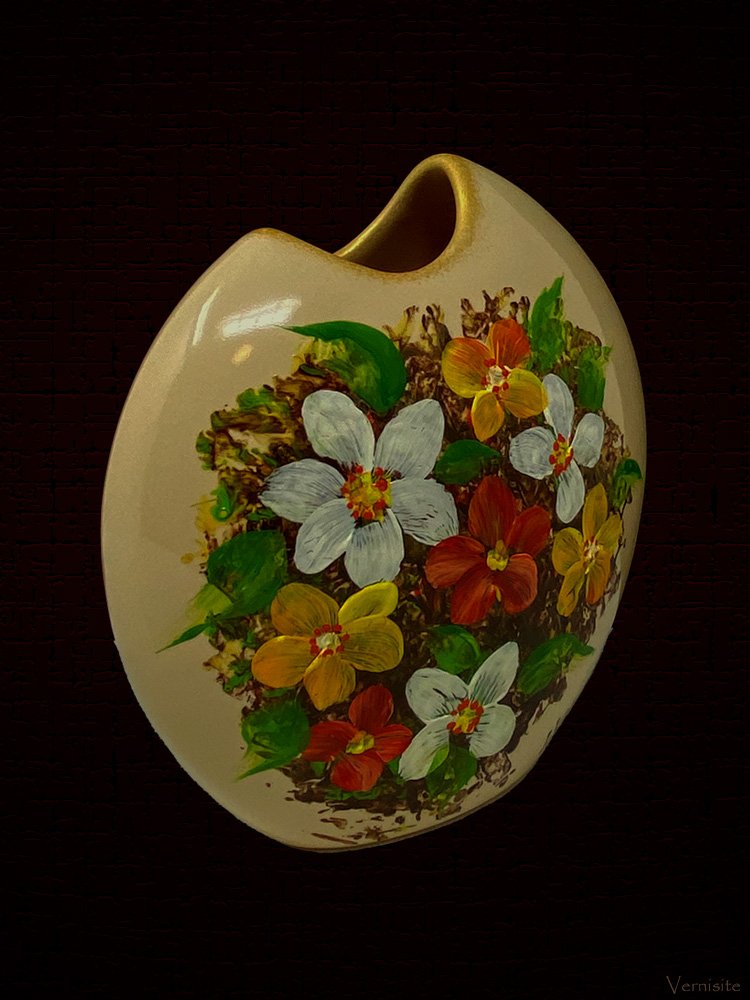
Handcrafted European Floral Ceramic Vase | Elegant Hand-Painted Decorative Flower Vase
Original price was: $49.99.$39.00Current price is: $39.00.
-
Sale!
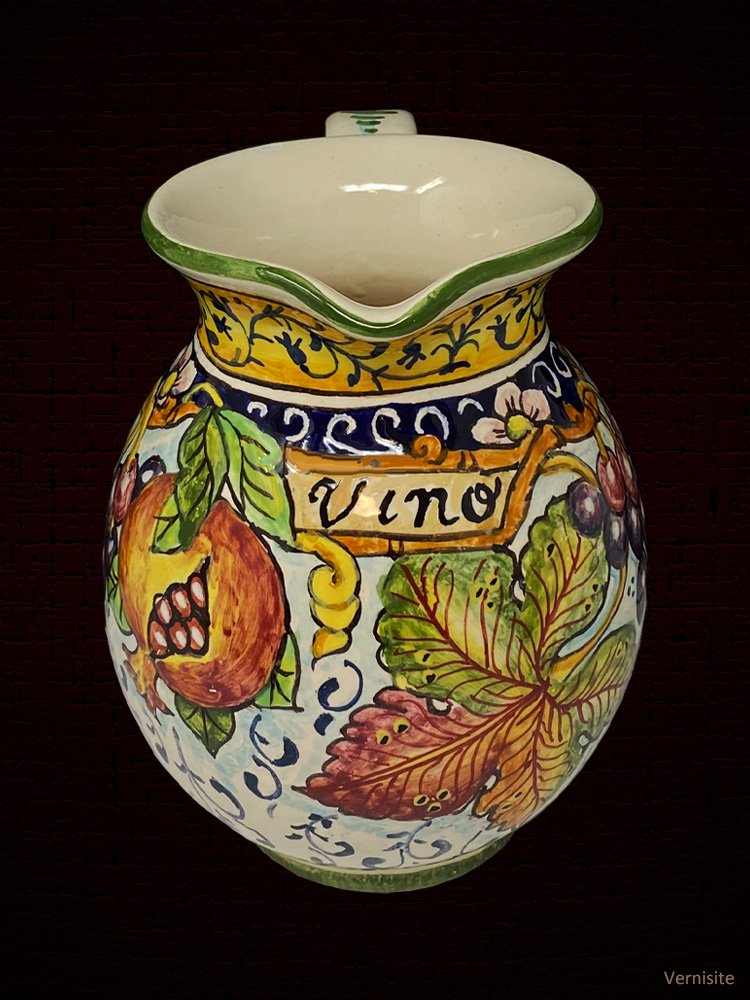
Handcrafted Italian Ceramic Wine Pitcher | Authentic Tuscan Montalcino Pottery Jug
Original price was: $149.95.$120.00Current price is: $120.00.
-
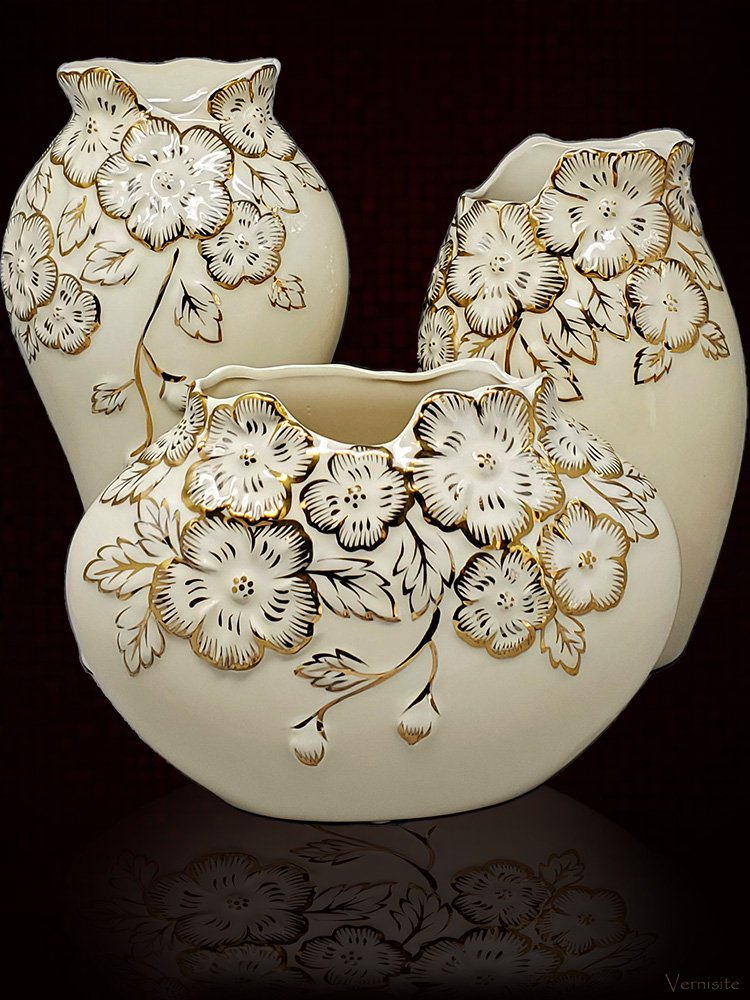
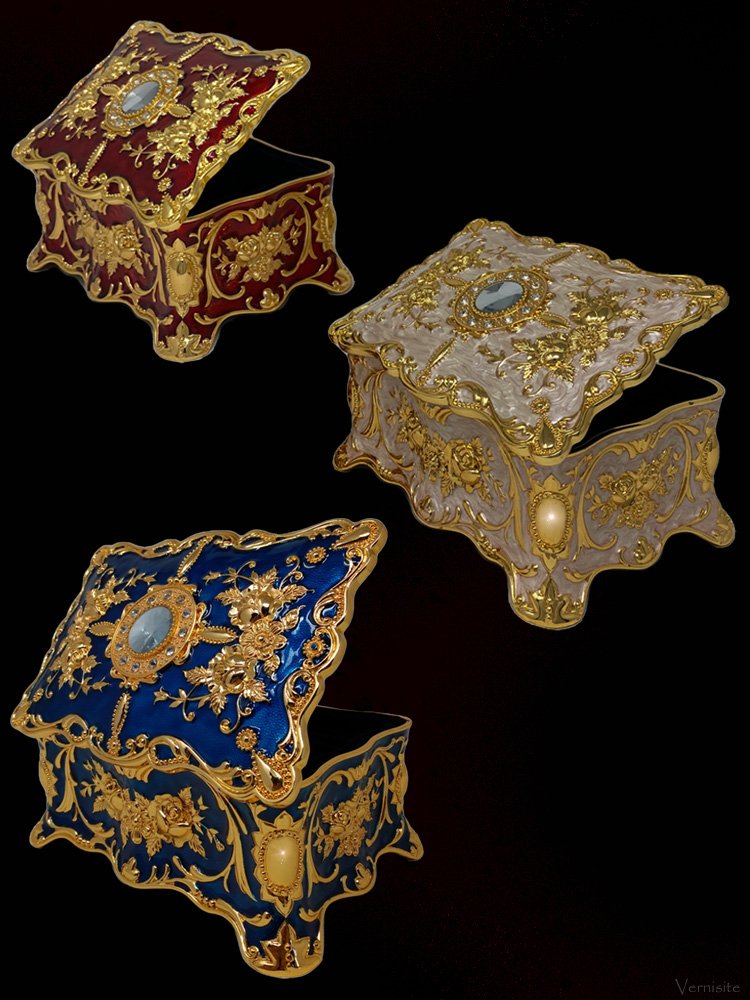
Elegant Gold and White Ceramic Vase Set | Modern Curved Floral Pottery Decor
Price range: $45.00 through $145.00
-
Sale!
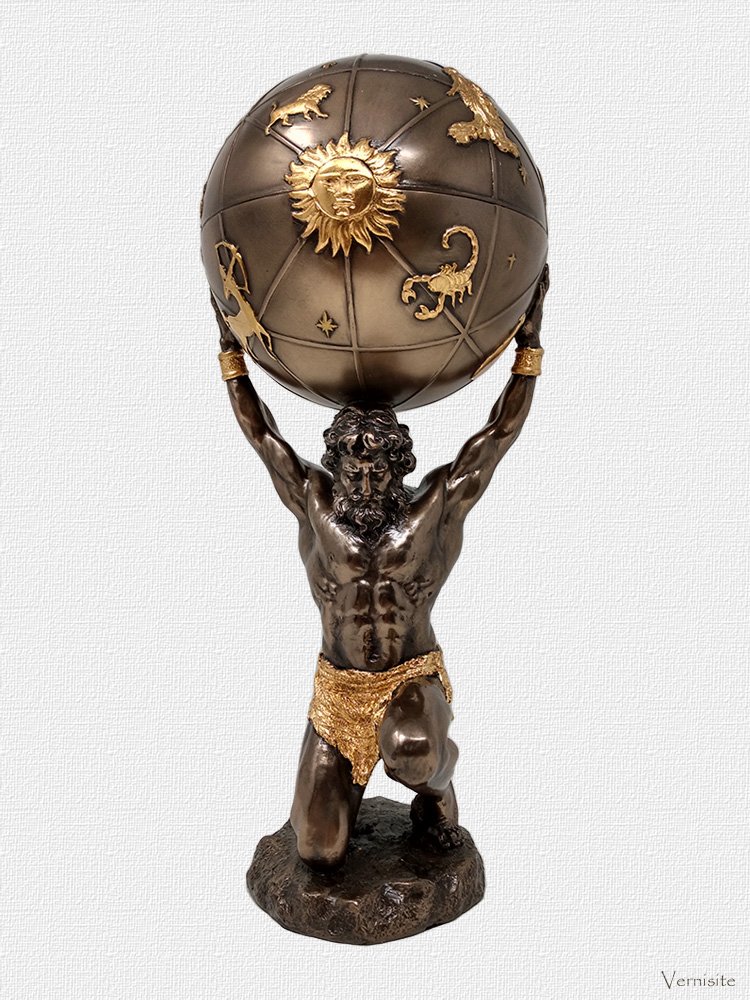
Atlas Titan Holding Celestial Globe Statue | Greek Mythology Astronomical Sculpture
Original price was: $119.95.$91.00Current price is: $91.00.
-
Sale!
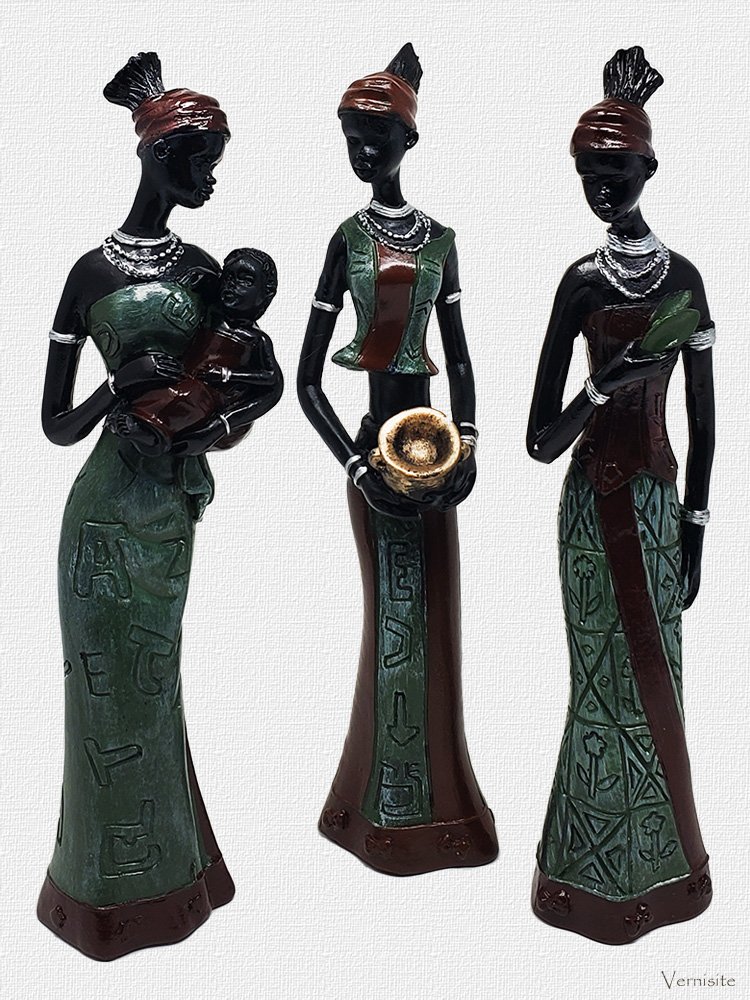
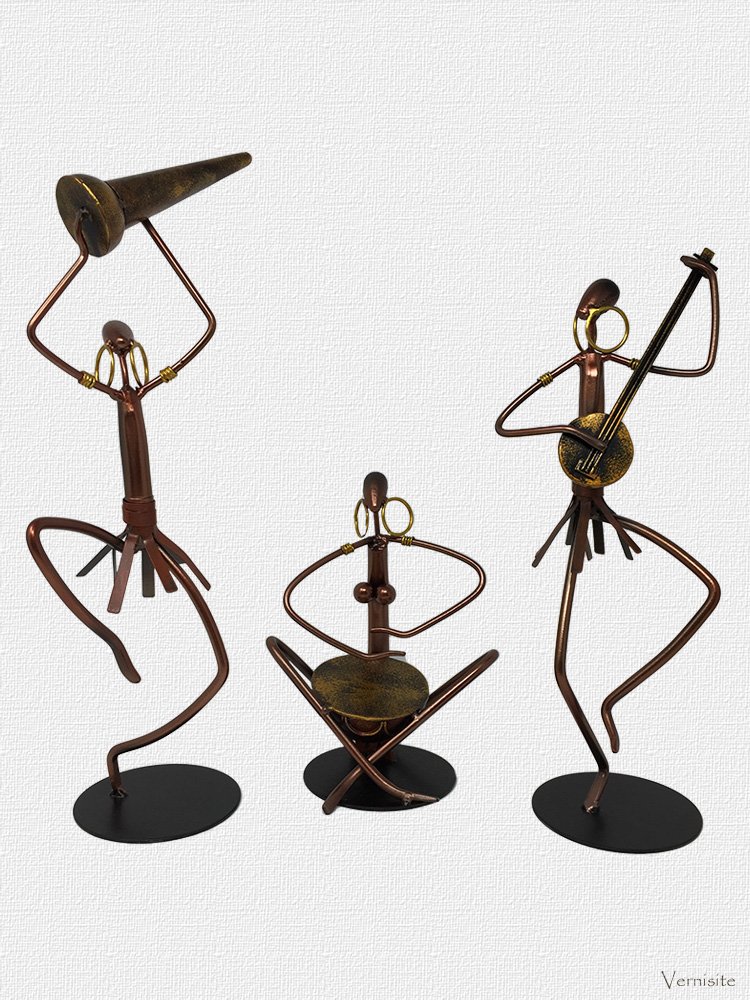
Handcrafted African Women Figurines Set | 3-Piece Ethnic Doll Carving Statues for Cultural Home Decor
Original price was: $34.99.$29.00Current price is: $29.00.
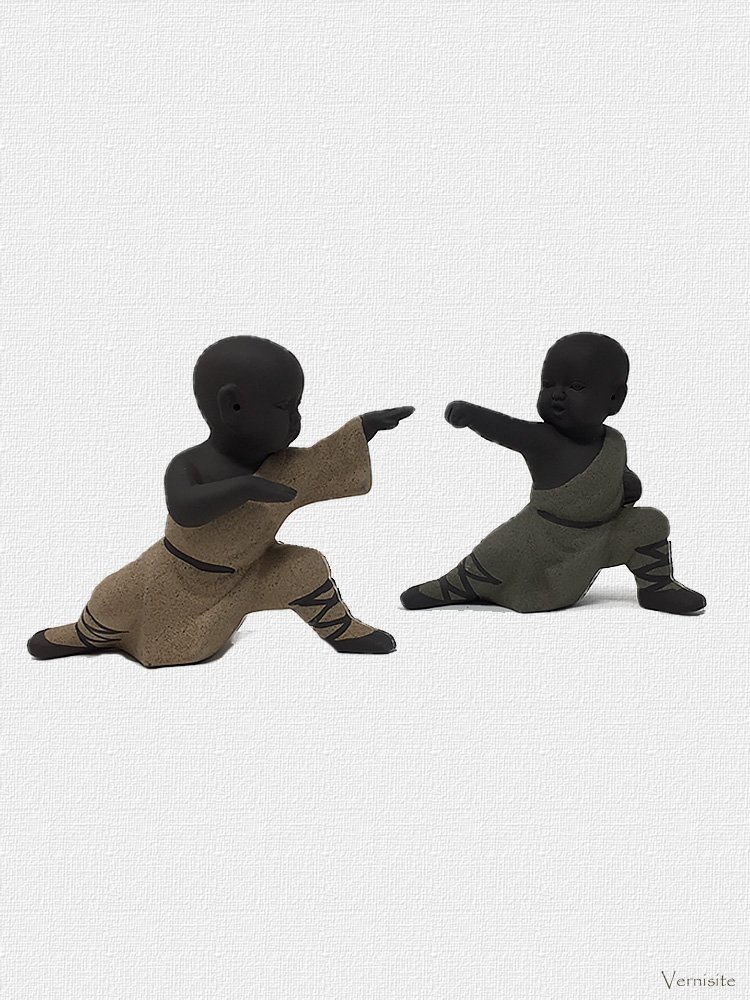
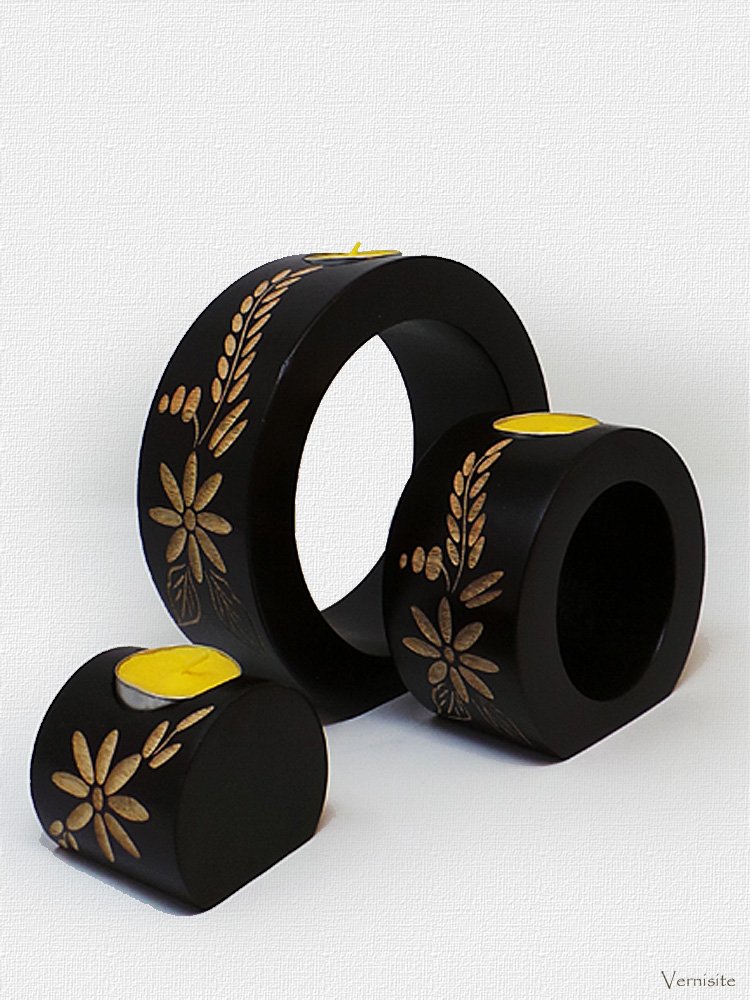
-
Sale!
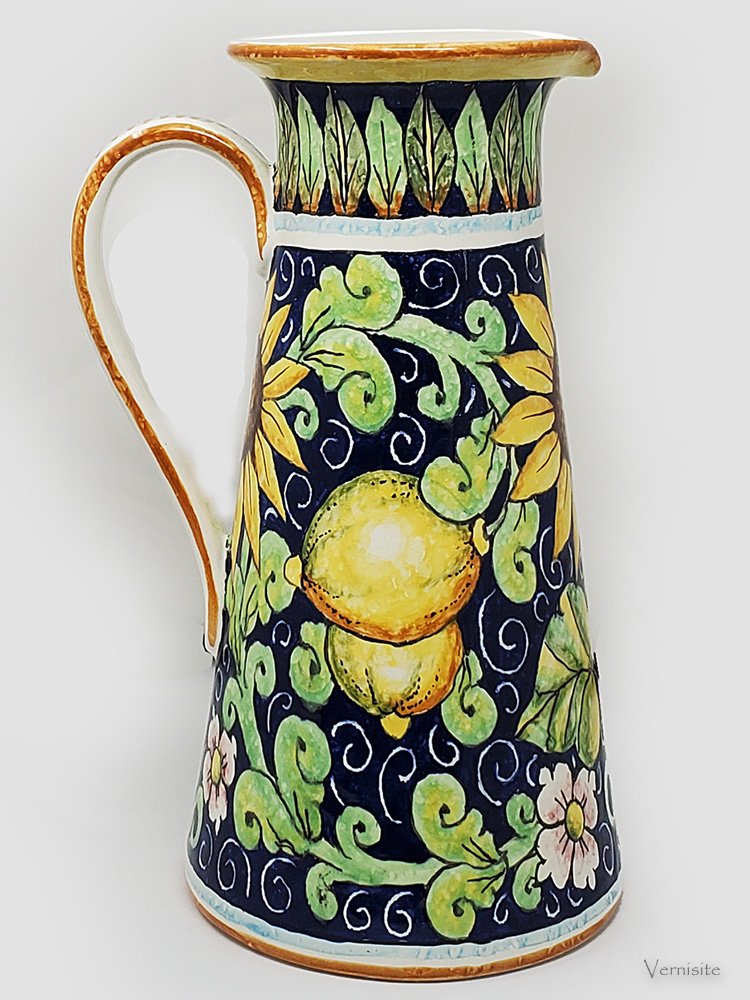
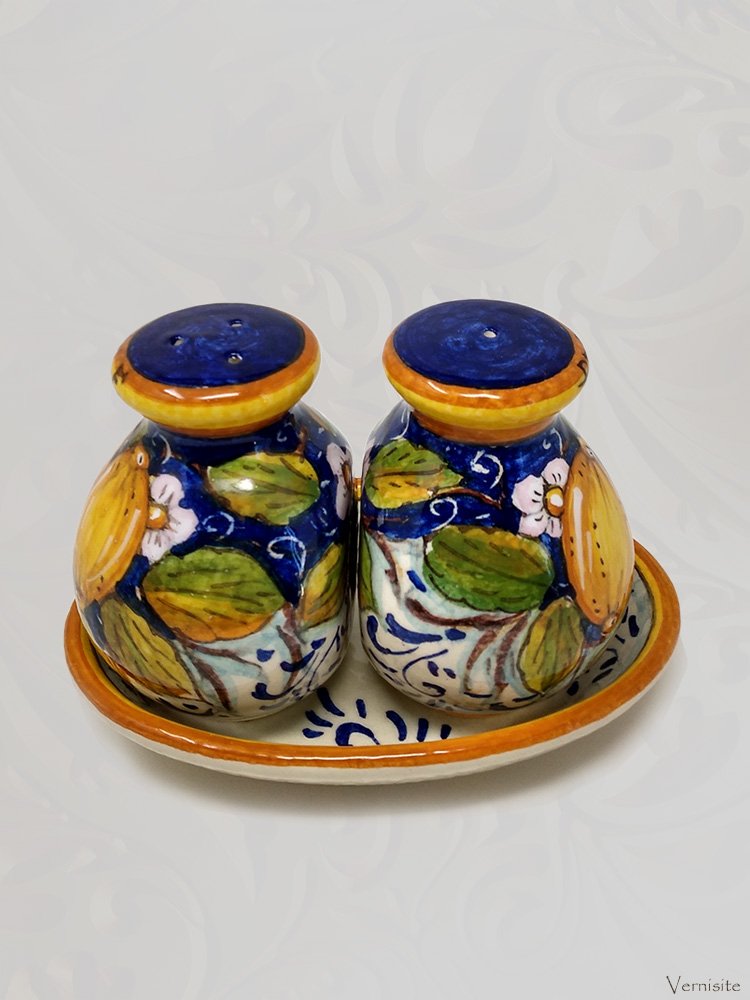
Hand-Painted Italian Ceramic Pitcher | Tuscan Sunflower and Lemon Utensil Holder and Serving Jar
Original price was: $323.99.$194.99Current price is: $194.99.
-
Sale!
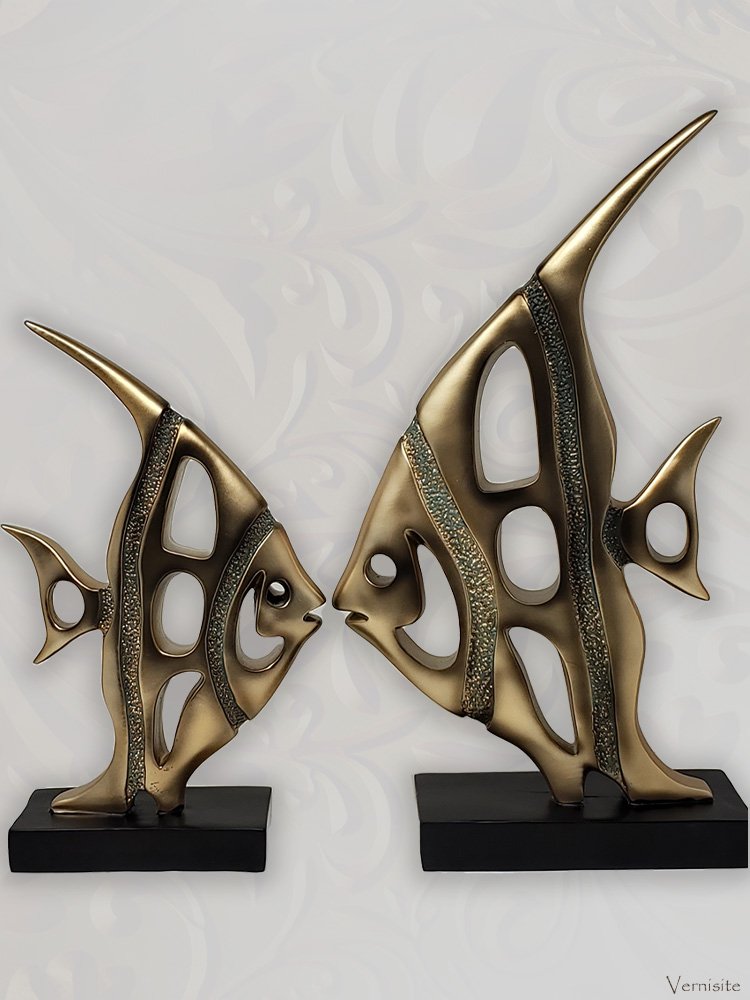
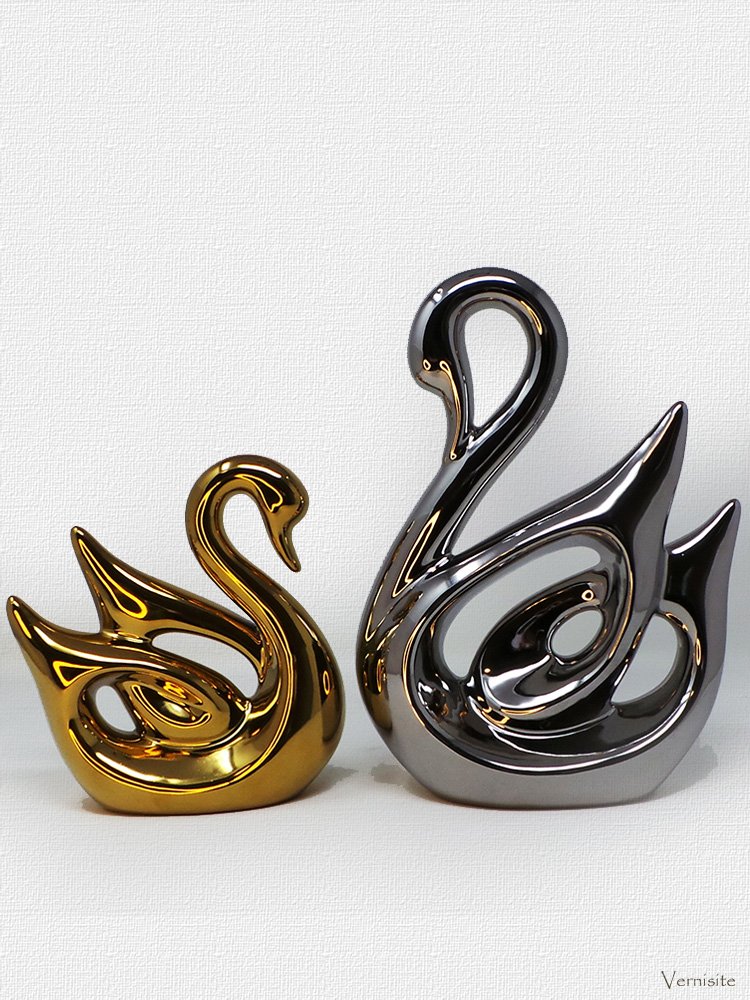
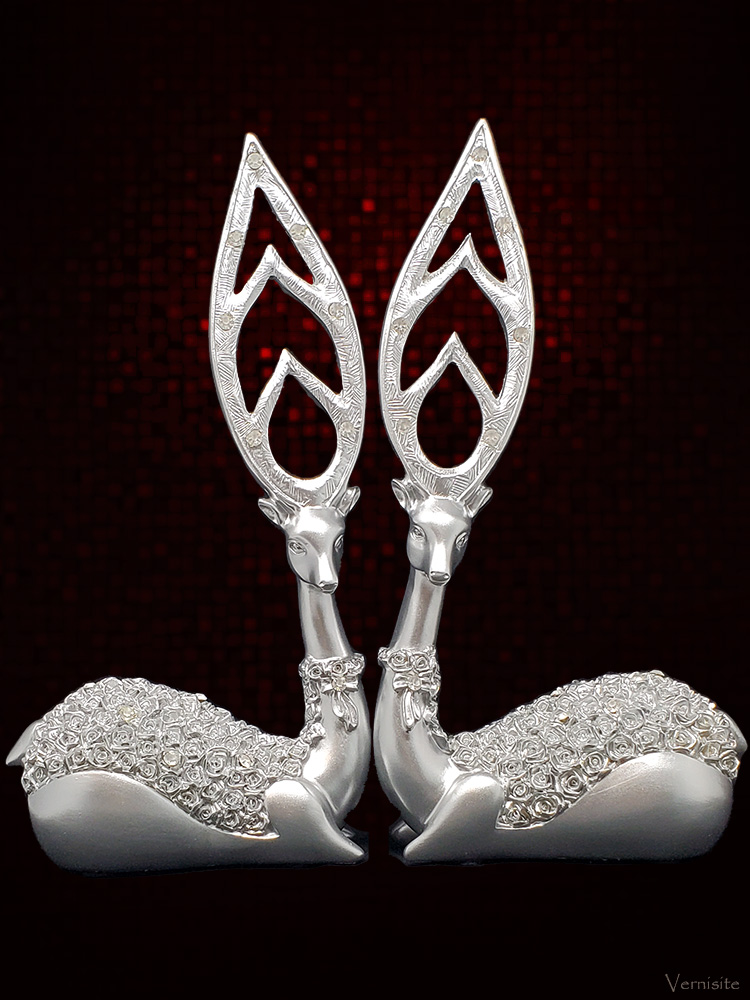
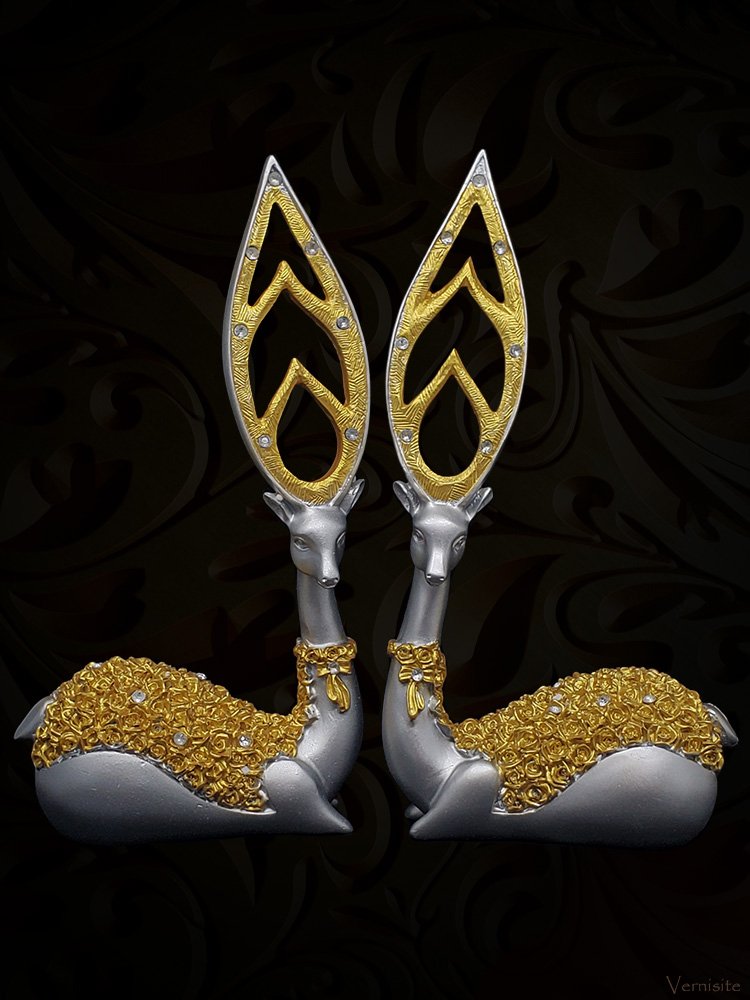
Gold Angelfish Sculpture Pair | Modern Coastal Home Décor
Original price was: $96.99.$64.99Current price is: $64.99.
-
Sale!
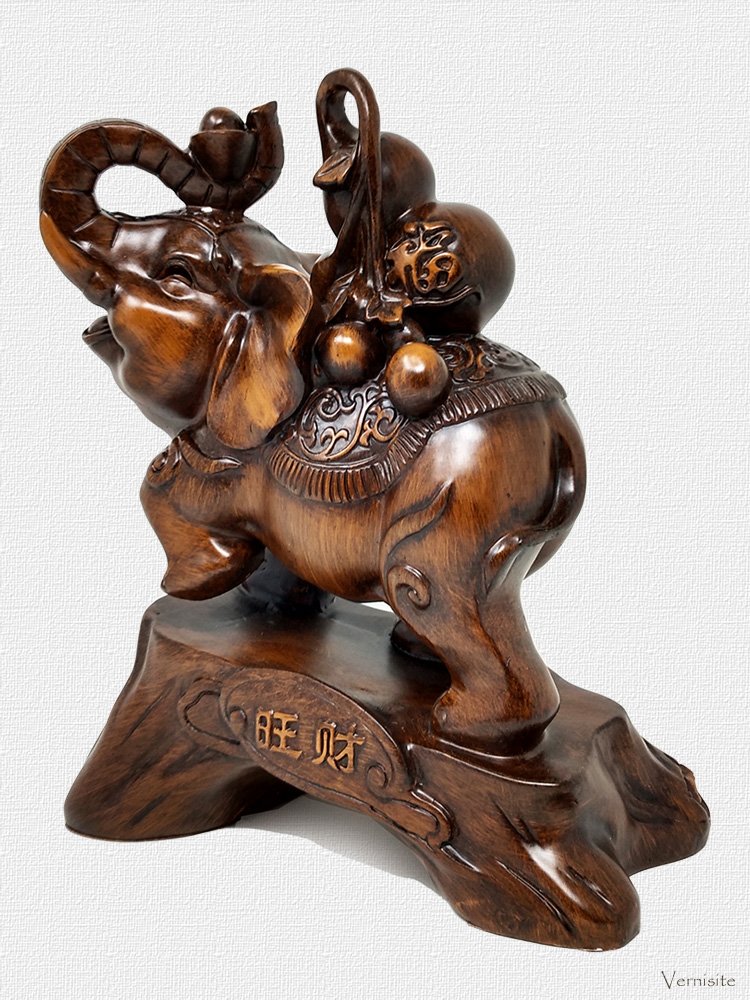
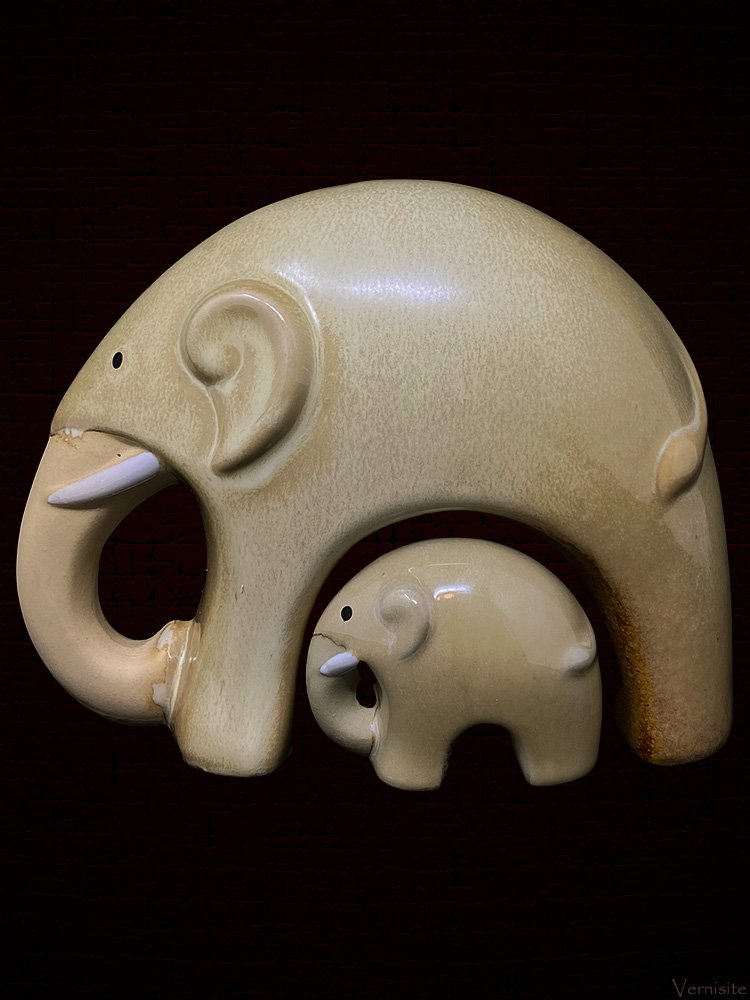
Chinese Feng Shui Elephant with Baby Statue | Handcrafted Symbol of Prosperity & Family Protection
Original price was: $175.99.$79.00Current price is: $79.00.

-
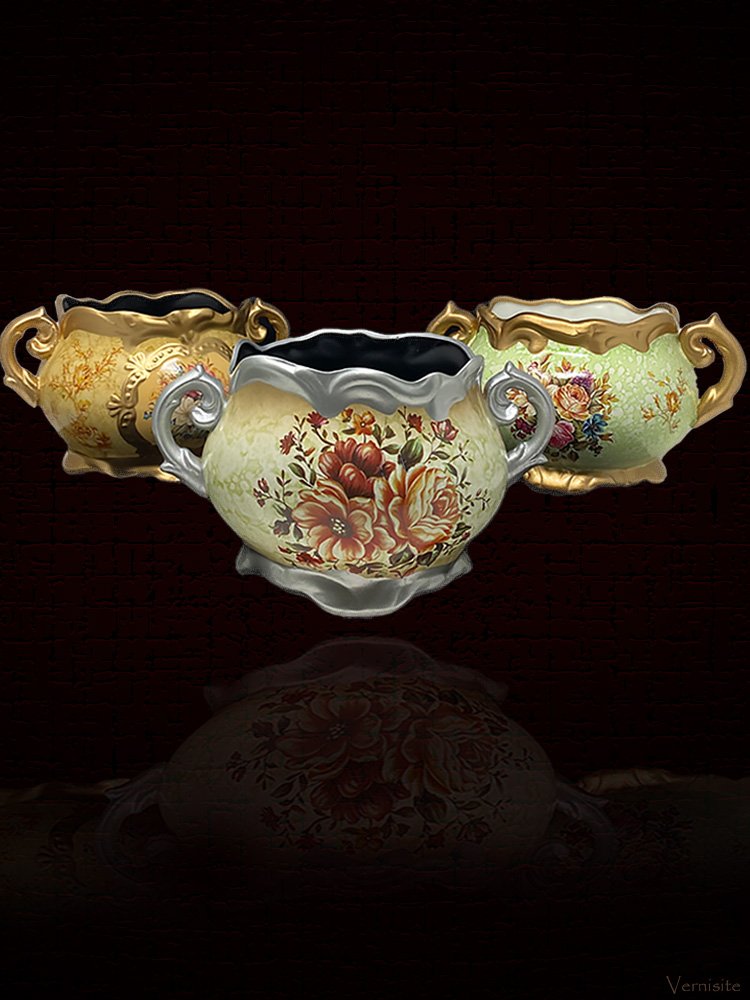
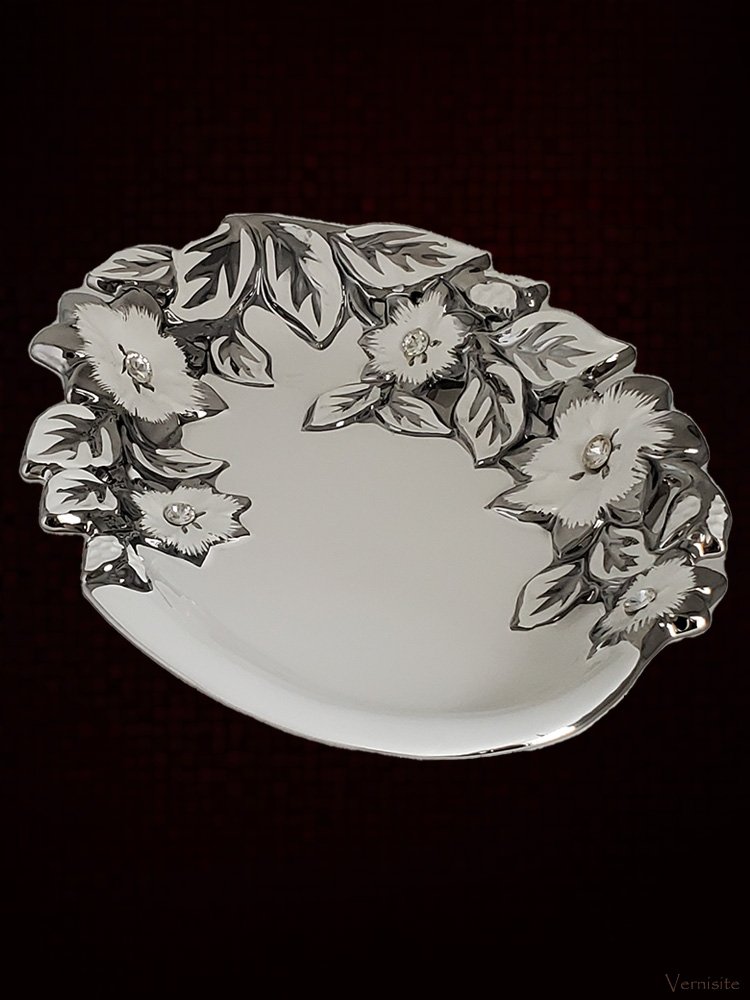
Jardiniere Candy Dish Decor | Classic Floral Blossoms Painting
Price range: $44.99 through $46.95
-
Sale!
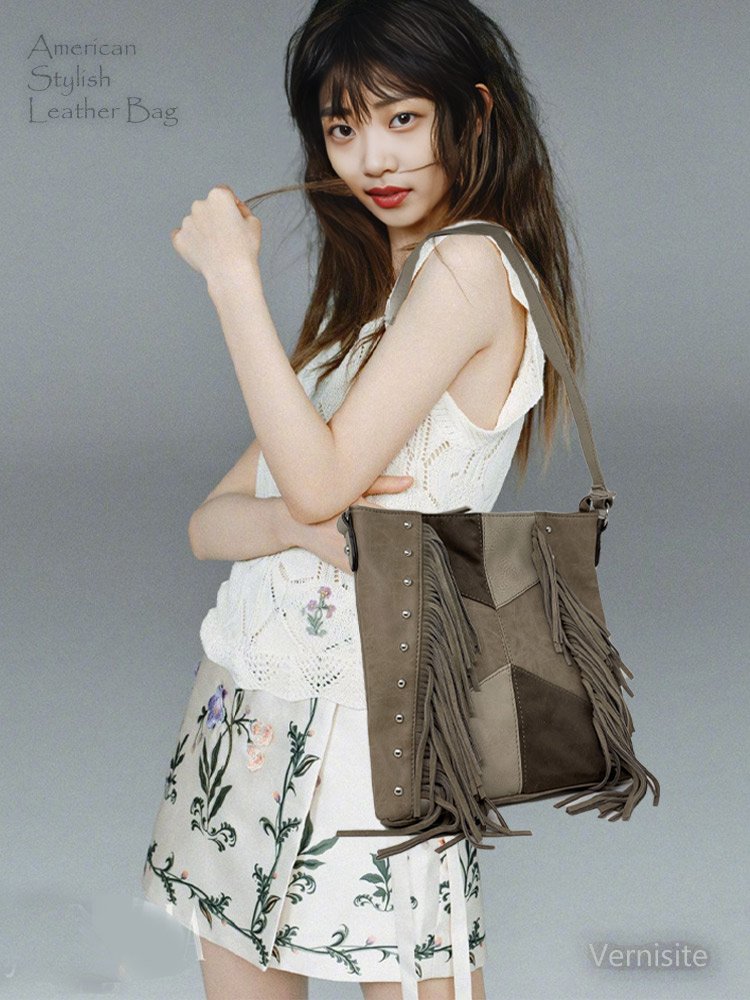
Handcrafted Genuine Leather Crossbody Purse | Artisan Women’s Shoulder Bag
Original price was: $32.65.$19.99Current price is: $19.99.
-
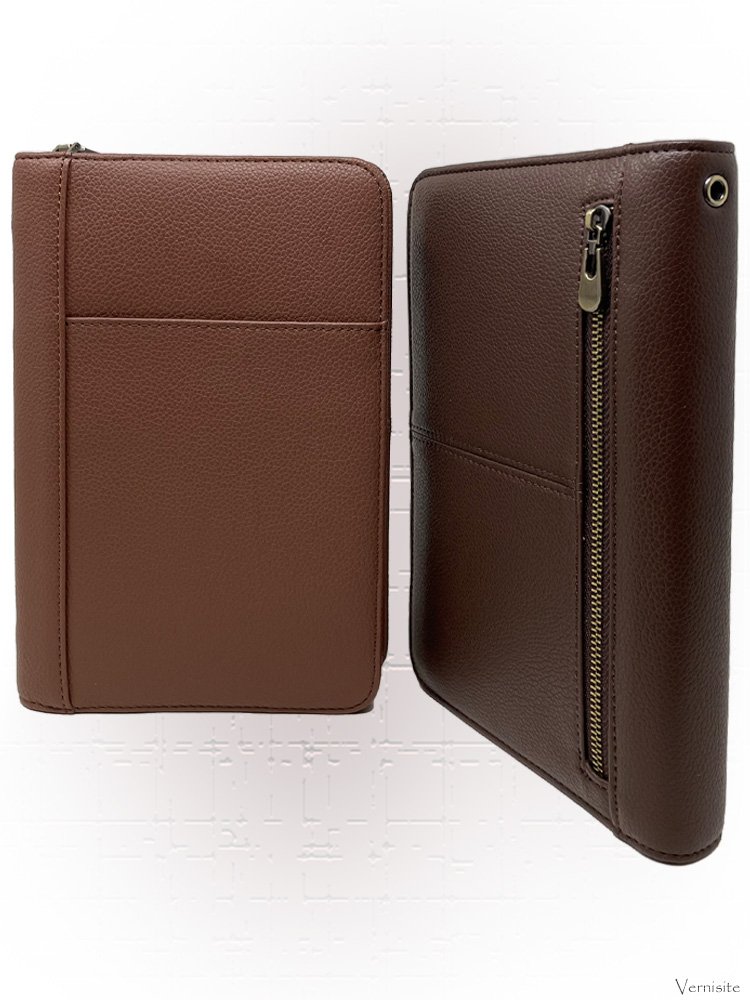
Multiple Compartment Organization Bag | Genuine Leather
Price range: $35.99 through $37.95
-
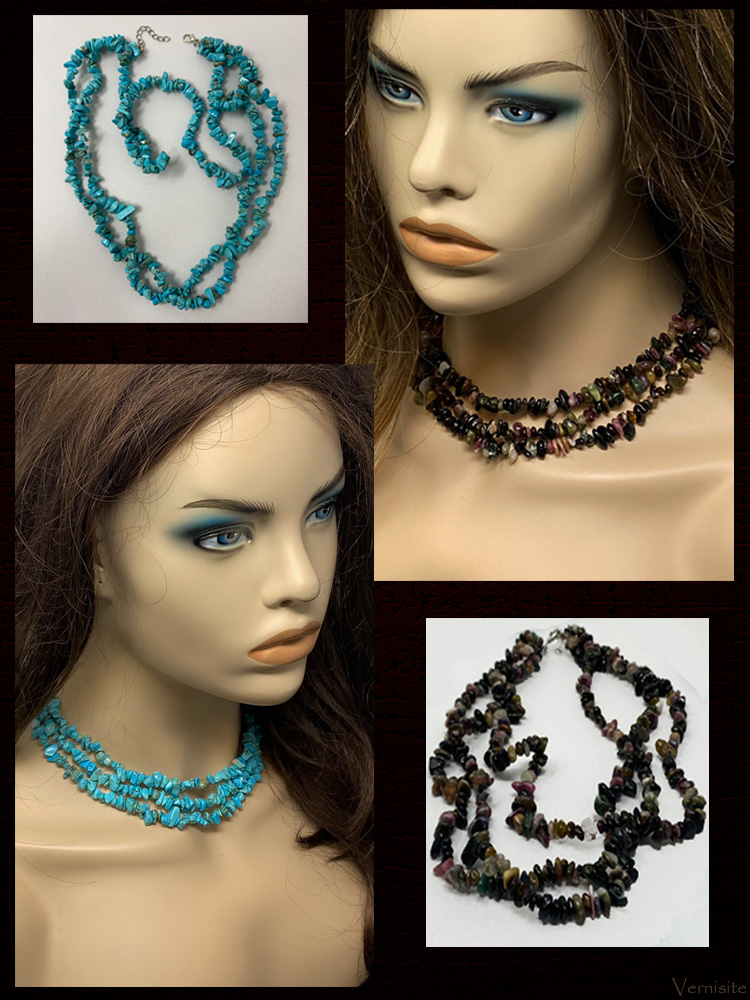
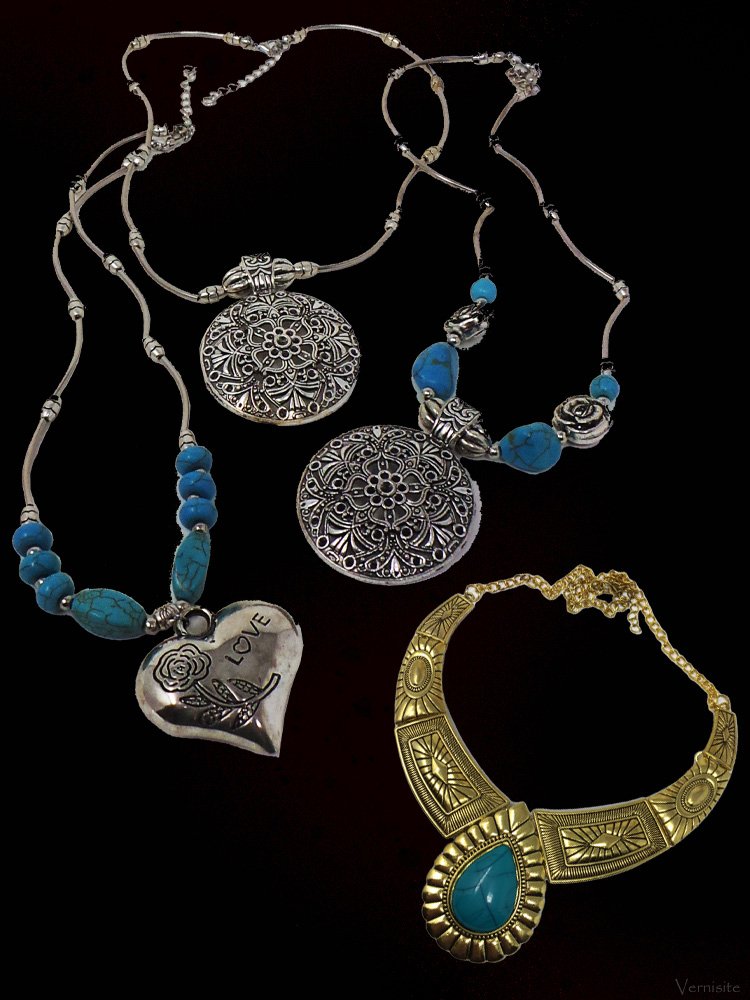
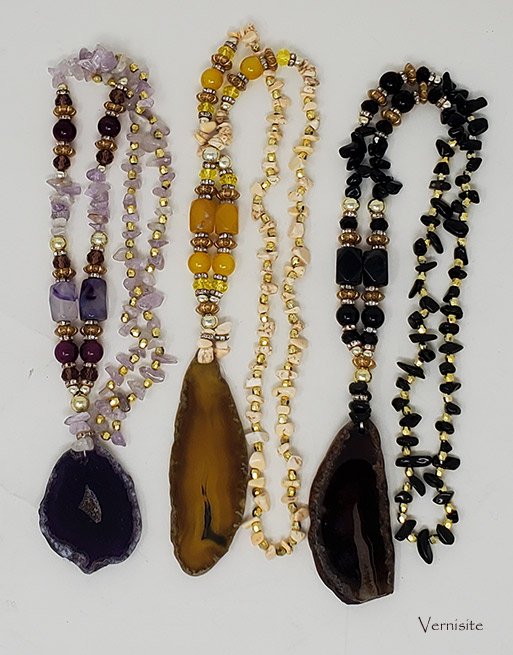
Authentic Armenian Obsidian Necklace | Handcrafted Ethnic Stone Jewelry
Price range: $24.99 through $36.99
-
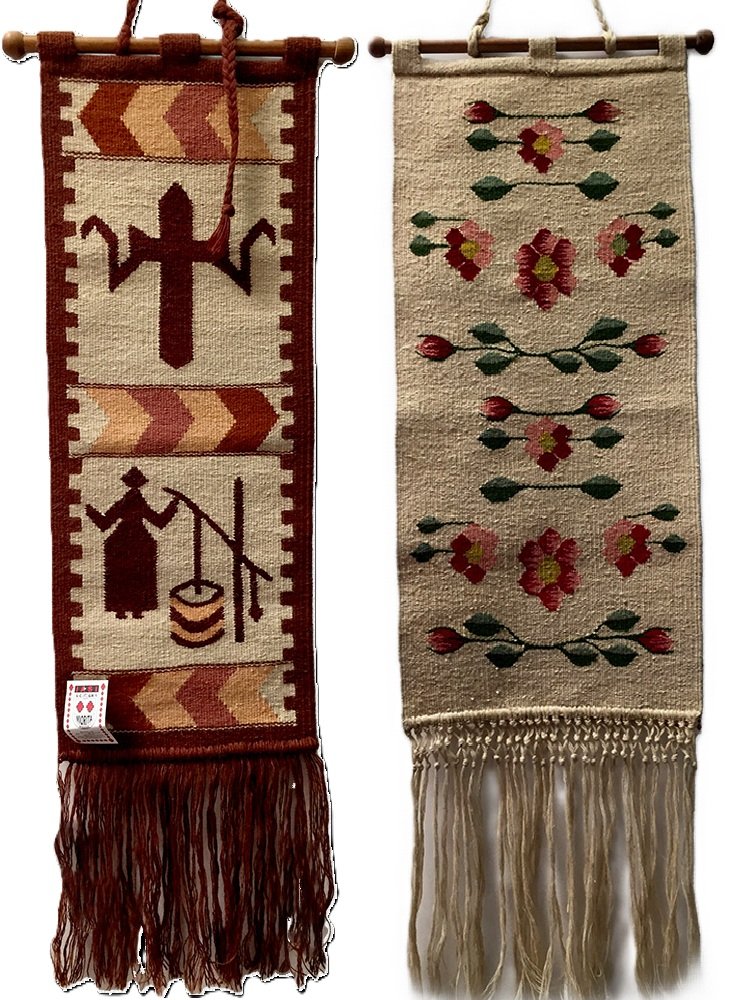
Romanian Artisanal Wall Rug – Unique Traditional Patterns
Price range: $27.99 through $47.99
-
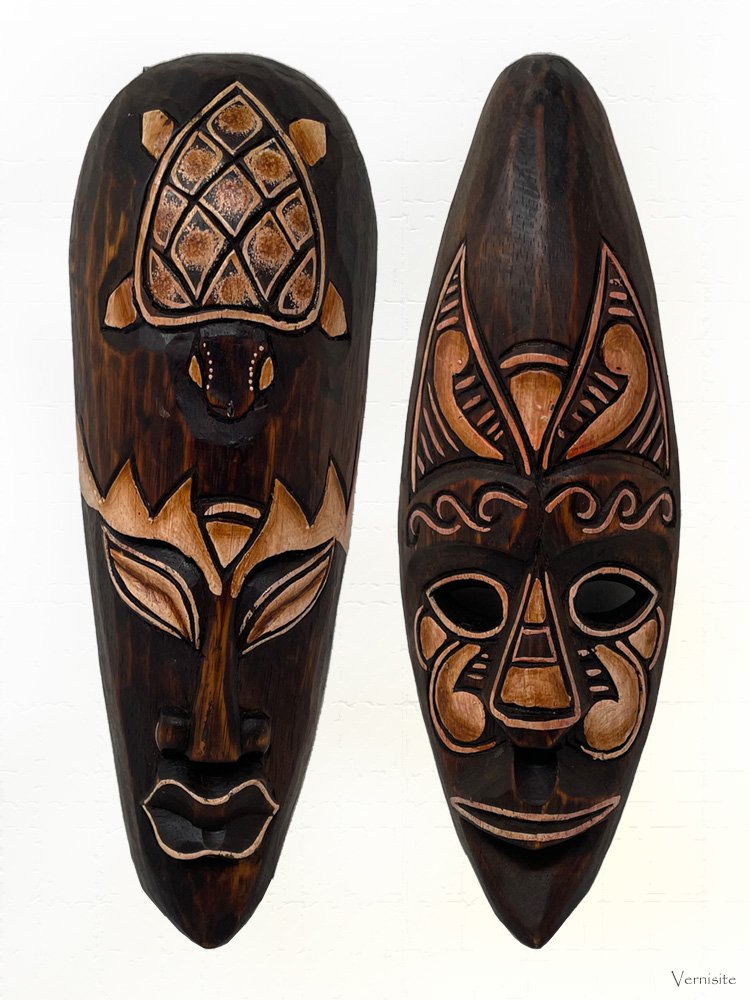
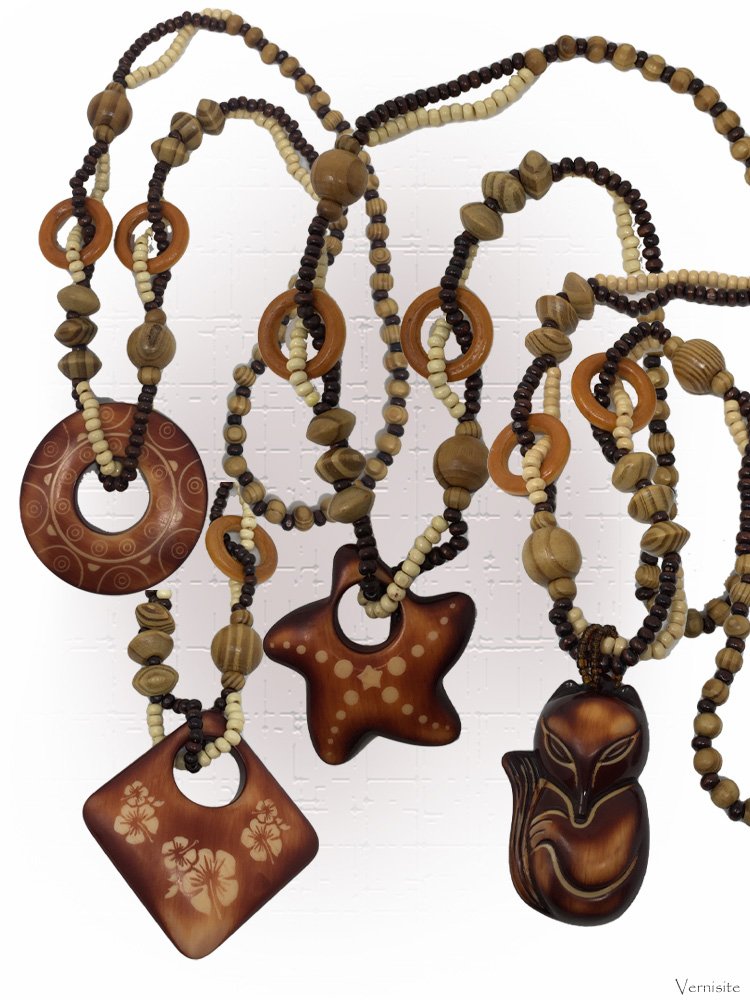
Handcrafted Southeast Asian Wooden Wall Mask | Authentic Tribal Expression Figurine
Price range: $18.99 through $29.99
-
Sale!
The Sphinx of Naxos Sculpture | Greek Statue of a Woman-Lion
Original price was: $310.00.$260.00Current price is: $260.00.
Mythological art brings meaningful stories into our homes. Every statue, vase, or sculpture can communicate a different quality:
- Artemis and Diana represent independence and protection.
- The Wounded Amazon represents resilience.
- Venus and Aphrodite represent love and beauty.
- Hygieia represents health and healing.
- Psyche and Eros represent devoted and transformative love.
- Athena and Perseus represent wisdom combined with courage.
- Tyche and Fortuna represent prosperity and opportunity.
- Atlas represents endurance and responsibility.
- Dionysus represents joy, creativity, and celebration.
- The Greek horse represents freedom and determination.
- Hera and Zeus represent marriage, authority, and partnership.
- The Minoan bull represents strength and vitality.
- The Sphinx of Naxos represents mystery and ancient wisdom.
- The Parthenon represents civilization, learning, and artistic achievement.





Leave a Comment
You must be logged in to post a comment.